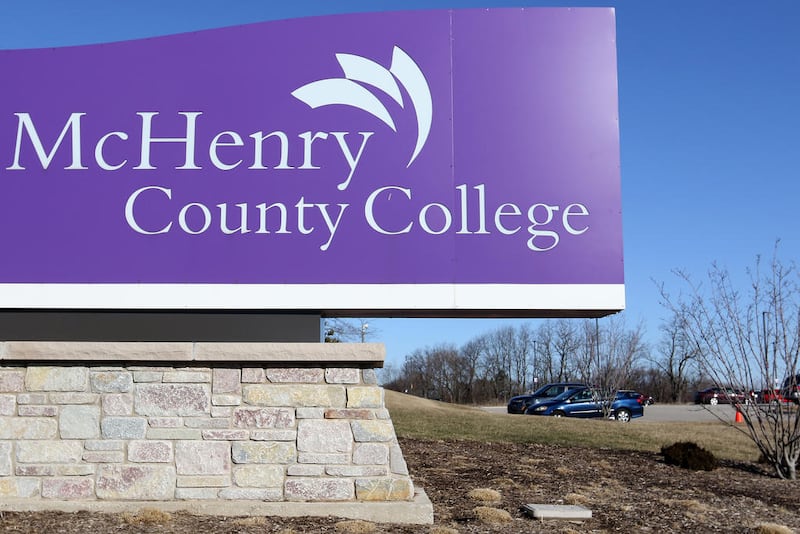
McHenry County College will raise tuition rates by $5 per credit hour starting in the fall semester.
The MCC Board of Trustees approved the tuition increase Thursday in a 7-1 vote to “address the continual, regular increases in operating costs,” MCC spokesperson Christina Haggerty said.
Currently, MCC ranks 38th out of 39 community college districts in Illinois in tuition and fees. The 3.62% increase will bring each credit hour to $143.25. With the increase, MCC is expected to remain the second-lowest community college tuition cost in the state, Haggerty said.
MCC President Clinton Gabbard said at a previous board meeting, “This isn’t for some brand new thing. This is because operating costs continue to rise from the personnel end around 3% every year, and that’s two-thirds of our budget. We’re trying to keep up with those costs.”
Tuition and fees make up about a quarter of the college’s revenue, Gabbard said.
Officials estimate the average hourly credit rate in the state for the fall semester will be $167.57, with an average tuition increase of $5.27.
Last year, the Crystal Lake-based college kept its tuition fees flat at $138.25, which was about $24 lower than the average hourly rate in the state, according to MCC documents. In 2024, MCC raised tuition by the same $5 per credit hour rate.
The college estimates the increase will bring in approximately $543,500, depending on how many credit hours students end up actually signing up for.
The increase aims to help offset continual cost increases like salaries, benefits, retirement, maintenance and expanded programs. Adding “cutting-edge programming,” like dual credit offerings and technical training at the Foglia CATI Center, are costly, Gabbard said.
“The hope is that new and expanded programs bring in tuition,” he said. “... The cost of adding instruction in healthcare will always outweigh what we’ll ever make in tuition.”
Haggerty said the college remains “mindful of the impact” the increase could have on students.
“We continue to expand student assistance options for those in need, including scholarships, emergency funding and resources for transportation, supplies, food and technology – so that cost is not a barrier to completion," she said.