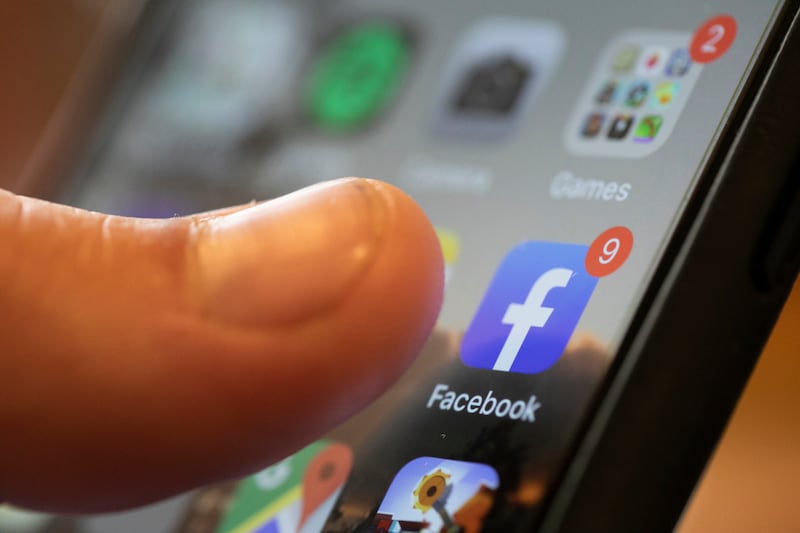
The rise of social media – ironically – contributed to feelings of isolation. The COVID-19 pandemic exacerbated that isolation, Thomas said.
“I think back to when I was growing up, with no social media,” said Dr. Abraham Thomas, a board-certified internal medicine doctor at Silver Cross Hospital in New Lenox. “I didn’t feel as guilty or feel all the social pressure that they do. My social pressure was more from my peers, not from millions of people on the internet ... it’s changing our social fabric.”
Thomas said that’s one reason millennials are more likely to have higher rates of anxiety, depression and loneliness than previous generations – factors linked to suicide and substance abuse.
Millennials are also less interested in marriage and raising a family, “which gives you a sense of purpose and changes your focus in life,” Thomas said.
Social isolation is about to get worse, Thomas believes.
Many college graduates in 2020 had virtual graduations and then began remote work, Thomas said. Because of the proliferation of online tools for managing everything from shopping to finances, many young people rarely (if ever) feel the need to visit a bank, a hardware store or a post office.
Dr. Mark D. Gomez, a board-certified internal medicine physician and concierge medicine specialist with Endeavor Health Medical Group in Naperville, said millennials may also shun in-person socialization due to low self-esteem, shame, depression, or fear of interacting with others.
But “some of the best ways to meet people” is to join community-based volunteer groups, because people can make good connections there, Gomez said.
Those connections may then transform into “even more high-quality connections,” Gomez said.
“When you make high-quality connections, you feel vitality, you feel more alive,” Gomez said. “You have a heightened sense of energy and a heightened sense of positive regard.”
:quality(70)/cloudfront-us-east-1.images.arcpublishing.com/shawmedia/B2JYOTCFNBA6ZBGIAG5UQF7DDI.jpeg)
What doctors say needs to change
That isolation doesn’t just affect mental health. Thomas said these are public health issues, so solutions must come from the county, state, and federal levels.
“And we need to make changes at the grassroots level,” Thomas said.
Doctors – including Thomas – should intensify their health screenings in the millennial population, Thomas said.
“I need to look for cardio-metabolic risk factors. I need to look for colon cancer, mental health and substance abuse,” Thomas said. “And I need to spend more time educating the millennials.”
:quality(70)/cloudfront-us-east-1.images.arcpublishing.com/shawmedia/GPNF74THTNHJHOOKEWUXDMFL6Q.jpg)
Gomez said doctors should encourage millennials to eat diverse fibers to support gut health, avoid ultra-processed foods and sugary drinks and snacks, focus on minimally processed foods – fruits, vegetables, fish – and limit energy drinks, instant oatmeal and canned fruit.
They should sleep and exercise more. Even taking the stairs and walking for 20 minutes can help, he said.
Stress relievers include deep breaths, yoga, self-massage, journaling, and making time for hobbies and loved ones, Gomez said.
Gomez is hopeful that wearable fitness trackers, as they evolve, might help millennials keep accurate tabs on their health and make it easier to report concerns to their doctors.
Yes, people must take responsibility for personal choices, Thomas said. But those choices might be “stymied” by race, access to health care or lack of sufficient income, he added.
“But we really have to find policy solutions that can help identify these reasons behind them, actually doing something about it,” Gomez added.
If something doesn’t change, the impact on the health care system as millennials age will be substantial, Thomas said.
That’s because millennials will experience “more pervasive, chronic disease as they get into their 50s and 60s,” Gomez added.
Back in his Mokena office, Thomas continues to look beyond appearances. He screens every millennial patient for cardio-metabolic risk, colon cancer, mental health, and substance abuse – not because they look sick, but because the data tells him they might be.
“We have to find policy solutions,” he said. “Because if something doesn’t change, the impact on our health care system will be substantial.”
:quality(70)/s3.amazonaws.com/arc-authors/shawmedia/59304215-cb18-46db-bced-9941d9413236.jpg)