I spent my entire career in law enforcement dealing with people who push boundaries, but few groups are as deliberately provocative as the so‑called First Amendment auditors.
They present themselves as citizens exercising constitutional rights by filming in public spaces. Anyone who has dealt with them in real‑world police settings knows that is not their true purpose.
Their goal is provocation. They want officers or civilian employees to react on camera so they can upload the footage, stir outrage and generate views. Their entire approach is built on confrontation that is planned, rehearsed and executed for maximum viral impact.
Municipal training materials describe their tactics with precision. One guide explains that auditors “typically attempt to provoke a response or otherwise test local government officials, while continuously recording the encounter,” and warns that mishandled interactions can lead to “costly or time‑consuming lawsuits” and reputational damage.
This is why police officers dislike dealing with them. They are not engaging in oversight or transparency. They are staging performances designed to make officers appear unprofessional, aggressive or incompetent. They want a viral moment, not a productive exchange.
In Illinois, these auditors have grown increasingly bold. They push into areas they should avoid, obstruct officers and interfere with operations. Some cross into criminal behavior, are arrested and have those arrests upheld on appeal. Online, they portray themselves as innocent residents documenting government overreach. In reality, many are agitators who know exactly how far they can go before breaking the law and deliberately test that boundary.
Some people say I am too harsh on First Amendment auditors. That criticism usually comes from individuals who have never interacted with them. I will acknowledge that a small number genuinely believe they are promoting transparency. I have no issue with those individuals. But they are the exception. In my experience, the overwhelming majority are not interested in accountability. They are interested in creating the next viral YouTube video.
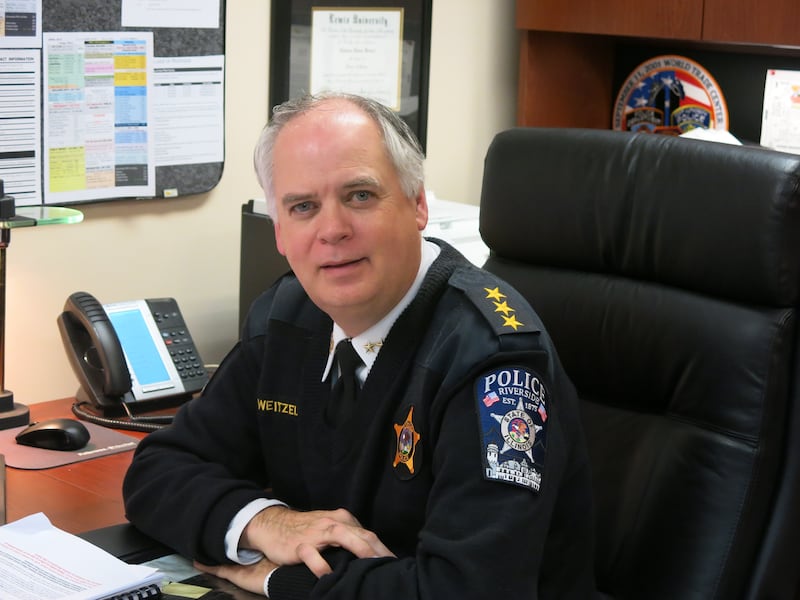
My own experience with auditors occurred when I was chief of police in Riverside. I knew they were visiting nearby communities, so I prepared ahead of time. That preparation made all the difference. They entered our police station lobby and attempted to request information they were not legally entitled to, hoping to catch our records staff off guard.
They lingered in our open, unfenced parking lot, waiting for officers to exit after roll call. They filmed them inches from their faces, demanding names, badge numbers, daily plans, reasons for carrying a Taser, reasons for wearing a gun belt, and anything else they believed might provoke a reaction.
This behavior had nothing to do with accountability. It was harassment and intimidation designed to create a moment where an officer might finally snap, say something sharp or push a camera away. That is the footage they want.
The aftermath proved the point. After their visit to our lobby and parking lot, they did not post a single positive video. Not one. They were not looking for professionalism. They were looking for a mistake. Several days later, I received a follow‑up call from one of the auditors. He told me directly that he had been there to provoke my officers into looking like “idiots.” His word, idiots. He said it casually, as if that were a normal mission for someone claiming to be a government watchdog.
We did not give him that. We did not give him the footage he wanted or the reaction he was seeking. That is exactly why nothing positive was posted. There was nothing to exploit.
This is the part the public rarely sees. Most First Amendment auditors are not in it for civic improvement. They are in it for clicks, monetization and online notoriety. They seek confrontation because confrontation pays. They bait officers because if an officer slips even slightly, the video becomes content. Officers do not dislike them because they are filming. Officers dislike them because they manufacture conflict under the pretense of accountability.
I refused to let that happen in my department. When I learned they might visit our facility, I personally attended every roll call. I explained their tactics and motives. I told officers these individuals were not there to talk. They were there to provoke. I instructed officers to remain professional, stay calm and continue their duties. The auditors wanted a reaction. The best way to defeat them was to deny them the drama they sought.
I also briefed my civilian staff. Records clerks, front‑desk personnel and administrative employees are often the first targets because auditors assume they are less prepared. I made sure my staff understood the auditors’ goals and how to respond.
Training materials emphasize staying calm, being polite, maintaining good customer relations and avoiding arguments, physical contact or telling an auditor they cannot film in public areas. Those reminders mattered because auditors are hoping for exactly those mistakes.
In Riverside, they got nothing. They left with dull footage of officers doing their jobs and staff acting professionally. That is the outcome every police department should aim for. Preparation is essential. Training is essential. Understanding the game these individuals are playing is essential.
First Amendment auditors are not going away. They will continue testing limits, provoking officers and trying to turn routine interactions into online spectacles. But police departments in Illinois can protect themselves by training their staff, emphasizing professionalism and refusing to participate in the theatrics. I made that decision early on, and it worked. I was not going to give them the footage they wanted and no chief in this state should either.
If Illinois law enforcement wants to stay ahead of these provocateurs, it begins with recognizing what they are actually doing and preparing officers and staff accordingly. That preparation is not just smart leadership. It is essential to protecting our departments, our employees, and the integrity of the profession.
• Tom Weitzel is the former chief of the Riverside Police Department and spent 37 years in law enforcement. He can be reached at tqweitzel@outlook.com. Follow him on X at @chiefweitzel or TikTok at tiktok.com/@chiefweitzel.