Policing across America in 2025 was not simply difficult – it was punishing.
Departments were hammered by staffing shortages that stretched officers to the breaking point and left patrol coverage dangerously thin.
Delayed backup became routine. In many communities, waiting 10 minutes or more for help was considered normal. And in some areas of Illinois, officers waited hours for backup, an unacceptable and dangerous failure in any modern policing environment.
In this profession, those minutes and hours do not just matter – they determine who goes home and who does not.
Mandatory overtime shifted from a temporary solution to a permanent operating procedure. Fatigue soared, morale thinned and specialized units were gutted to keep patrol cars on the street. Detectives who should have been dismantling narcotics networks, pursuing cybercriminals or tracking violent offenders were pulled back into beat cars to answer domestic disturbances and traffic collisions.
The national reality was undeniable: policing in 2025 meant doing more with less, under relentless strain, with almost no margin for error.
Illinois felt these pressures in every corner of the state. Chicago stole headlines, but suburban agencies across Cook, DuPage, Will, Kane and Lake counties endured their own operational storms. Shrinking shifts forced officers to take on larger beat areas, slowing response times and increasing risk.
In communities such as Berwyn, Brookfield and Oak Brook, a single officer could be responsible for multiple patrol areas, with backup arriving only after a delay – if at all.
Training disparities made the strain worse. Smaller departments cannot maintain specialized units, forcing officers to become generalists out of necessity. A Naperville detective might juggle violent-crime investigations in the morning, a cybercrime case after lunch and a narcotics follow-up by evening.
In DuPage County, an officer responding to an opioid overdose often became investigator, social worker and community liaison in one shift. Every call required officers to stretch far beyond traditional roles while still maintaining community trust and visibility.
Yet even under crushing stress, Illinois officers did not fold. They fought back. Regional task forces became essential, giving smaller agencies horsepower to tackle narcotics trafficking, gang activity and organized retail crime.
School resource officers expanded prevention, mentorship and intervention efforts across Will and DuPage counties. Technology surged forward. License-plate readers intercepted stolen cars, drones strengthened search-and-rescue operations, and digital-evidence platforms accelerated case processing.
Community engagement intensified, from neighborhood-watch partnerships across Cook and DuPage counties to growing outreach programs that reinforced trust when trust was needed most.
These were not minor wins. They were proof that even during one of the most exhausting years in recent memory, Illinois officers adapted, innovated and delivered meaningful results.
But 2026 will not bring relief – it will raise the bar. Nationally, agencies are expanding crisis-intervention instruction, cybercrime capabilities and tactical readiness. AI-based analytics and drone countermeasures are becoming standard equipment. Officer-wellness programs are now viewed not as benefits but as necessities to prevent burnout and support retention.
Illinois is rolling out new mandates including stricter protocols for missing persons, more detailed opioid-overdose reporting and stricter K-9 retirement procedures. These measures add workload, not downtime.
Smaller agencies will have no choice but to strengthen regional partnerships as they confront violent crime, fentanyl trafficking and retail-theft crews that move seamlessly across county lines.
Community trust will remain non-negotiable. Kane County’s pilot community liaison officers represent a shifting strategy – embedding officers in civic and faith-based organizations to build credibility before conflict strikes.
The message for 2026 is unmistakable: the job will demand sharper skills, tighter coordination and deeper resilience than ever before.
2025 revealed the operational fractures in Illinois policing including dangerously slow backup, detectives pulled from critical investigations and officers stretched thin while fentanyl overdoses and violent crime accelerated.
The challenge ahead is clear. Can agencies fundamentally reduce response times, especially in regions where officers waited hours for backup? Can investigators maintain consistent follow-through despite ever-growing caseloads? Can suburban departments coordinate fast enough to dismantle the theft rings, drug networks and violent gangs that ignore jurisdictional boundaries? And can officers remain visible, present and trusted in the communities they are sworn to protect?
2026 will not measure Illinois policing by slogans or speeches. It will measure them by results under extreme pressure. And based on what I have seen from the men and women who showed up day after day in 2025, I know without hesitation that they will rise to the moment and deliver.
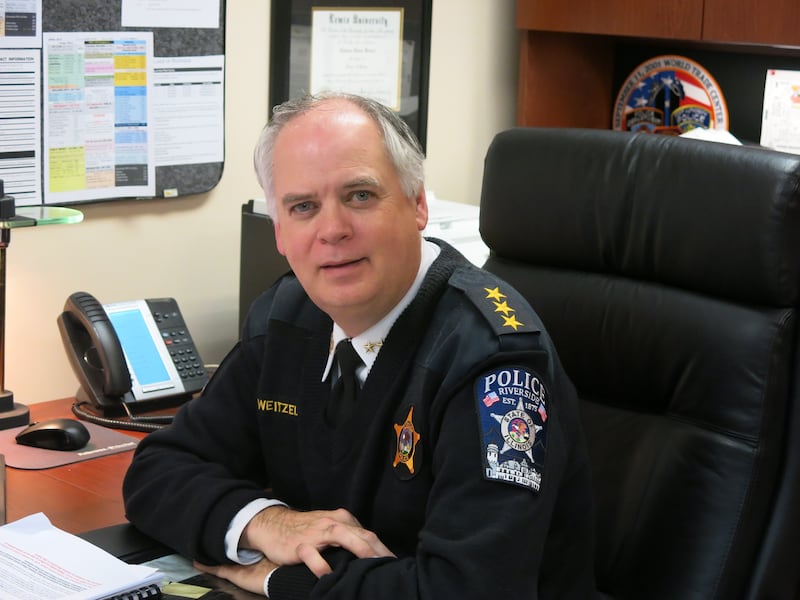
• Tom Weitzel is the former chief of the Riverside Police Department and spent 37 years in law enforcement. He can be reached at tqweitzel@outlook.com. Follow him on X at @chiefweitzel or TikTok at tiktok.com/@chiefweitzel.