In 1970, April was designated Autism Awareness Month to raise awareness of a neurodevelopmental disorder that, at the time, was estimated to affect 1 in 10,000 children.
Today, autism is estimated to affect 1 in 31 children.
Over the years, thousands of Illinois residents have been diagnosed with autism, and more will be diagnosed in the years ahead. That reality leaves families asking an urgent question: Where will their loved ones live, and what support will be there, when parents and caregivers are no longer able to provide them?
The American Psychiatric Association defines autism spectrum disorder (ASD) to reflect a range of needs and levels of support.
ASD severity levels range from Level 1 (requires some support) to Level 2 (requires substantial support), to Level 3 (requires very substantial support).
With the right services in place, a person with a Level 1 or Level 2 diagnosis may be able to live semi-independently and work. A person with a Level 3 diagnosis typically needs a far more supportive setting.
Most people with an ASD diagnosis will need some level of support, supervision, and assistance throughout their lives. That leaves many parents wondering where their child will live and who will help when they are gone.
A recent Shaw Local article reported that several bills moving through Springfield would reduce the bureaucracy that inhibits supportive housing development for people with intellectual disabilities.
It is hard to understand why anyone would want to prevent people with intellectual disabilities from living in communities where they can be safe, secure, and enjoy the quality of life every person deserves.
We don’t do that in the Sauk Valley – but apparently, others do.
Sauk Valley communities have long had a soft heart for people with intellectual disabilities – a legacy many attribute to the former Dixon Developmental Center, which closed in 1982.
During its existence, the DDC employed a large workforce. Those experiences with clients reinforced a simple truth: We are all human, and we deserve to be treated as such.
Communities in the Sauk Valley have worked to ensure housing is available for people with intellectual disabilities and have welcomed them into their neighborhoods.
Elected and appointed officials, along with building departments across the Sauk Valley, have accommodated supportive housing by streamlining processes and reducing red tape to clear a path to safe, secure homes.
State legislators have learned that some communities in Illinois do not take the same approach.
Several legislators have introduced bipartisan bills to remove barriers that some communities have put in place to prevent group homes for people with intellectual disabilities from being built.
BUILD (Build Up Illinois Developments) may be the proverbial light at the end of the tunnel, helping untangle the bureaucracy that limits supportive housing for people with intellectual disabilities.
HB 5626 is a 40-page omnibus bill that would amend the Illinois Municipal Code and Counties Code to address a range of housing regulation issues. It addresses the shortage of housing for people with intellectual disabilities, along with other issues such as accessory dwelling units (“granny flats”), impact fees, plan reviews, lot sizes, and parking requirements.
As expected, HB 5626 has drawn both support and opposition.
Supporters applaud the bill’s intent and the impact it could have on expanding structured supportive housing that offers residents a quality of life most people take for granted.
Opponents argue that the bill could strip local control from communities across the state.
But if elected officials oppose HB 5626 because they fear losing control, does that mean they want to keep blocking housing for the very people they were elected to serve, including people with intellectual disabilities?
If so, that is hypocrisy – plain and simple.
For example, the mayor of a Rockford suburb is criticizing the omnibus bill because it would take away the community’s control over “parking regulations associated with new housing development.”
In truth, that mayor should be more concerned about the lack of housing development that has left the community unsustainable than about parking rules.
A downstate mayor fears the community will turn into the “wild, wild west” because loosening zoning rules could lead to an uncontrollable increase in housing development.
That seems unlikely – there aren’t any stables in that town.
Opponents face a difficult case. Their objections feel trivial compared with the need for proper housing support for thousands of Illinois residents with intellectual disabilities – and the broader housing issues this legislation aims to address.
Supporters also say the legislation will allow faith-based organizations to participate more fully in the housing market and will reduce regulations that hinder housing development for everyone who needs a place to live.
In the Sauk Valley, our municipal and county building departments have been accommodating when it comes to housing development for people with intellectual disabilities.
They’ve worked hard to clear the path for everyone else, too.
Elected officials across Illinois should follow the Sauk Valley’s lead and reduce the bureaucracy and the hypocrisy that hinder housing development for people with intellectual disabilities, and ultimately for all of us.
Because we know it isn’t the neighbors who are doing it.
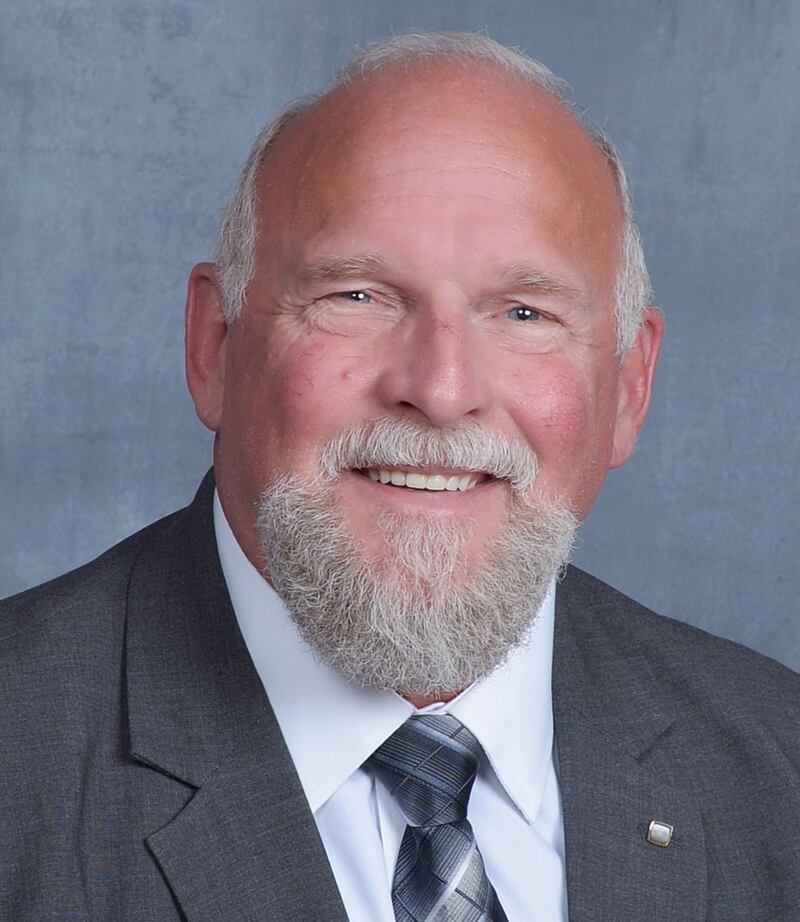
Jim Wise is a city of Sterling alderman.