The Supreme Court on Friday struck down President Donald Trump’s global tariffs that reached across many industries and countries.
The Tax Foundation has estimated that those tariffs have cost the average American household at least $1,000 over the past year, with some organizations reporting much higher estimates.
What is a tariff?
A tariff is a tax levied on imported goods and services. Tariffs are usually used selectively to protect certain domestic industries and markets or as a negotiating tool in trade negotiations between countries.
The Constitution gives Congress the power to set import tariffs; although Congress has partially delegated some authority to the presidency to adjust tariff rates in response to “specific trade-related concerns related to U.S. foreign policy and national security interests, or that require an administrative finding by a U.S. agency,” according to congress.gov.
Who pays for tariffs?
If an American business relies on imported aluminum in the manufacturing of a product, and there is a 30% tariff on imported aluminum, then the manufacturer will pay a 30% higher cost for that aluminum supply.
That manufacturer will likely need to recoup those costs and can raise its prices to its wholesalers who buy those aluminum products, such as a brewery. The brewery can recoup its higher costs by raising its prices to its consumers.
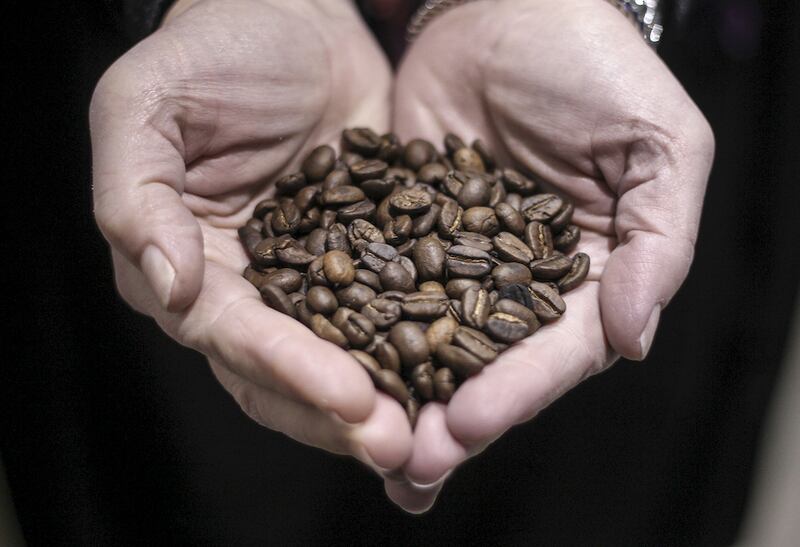
Some specific examples of products whose retail prices increased over the past year include a 33.6% rise in coffee, 19.3% in ground beef, and 14% in clothing, according to the Bureau of Labor Statistics (via Inc.com).
Lower tariffs mean Americans can purchase imported goods or any product that relies on imported goods in its manufacturing at lower costs.
How are tariffs regulated?
The Secretary of the Treasury sets regulations on the collection of tariffs, and U.S. Customs and Border Protection administers those regulations at U.S. ports.
When a good enters a U.S. port of entry, merchandise is classified, and tariffs are assessed. CBP reviews the paperwork and then collects any tariffs or penalties, “as well as any administrative fees,” according to congress.gov.
The Customs and Border Protection then deposits any revenue from tariffs or other penalties into the General Fund of the United States,” according to congress.gov.
What happens next?
The Supreme Court has not ruled on how any refund process would work.
Many companies, including the big-box warehouse chain Costco, have already lined up in lower courts to demand refunds. Supreme Court Justice Brett Kavanaugh noted the process could be complicated.
“The Court says nothing today about whether, and if so how, the Government should go about returning the billions of dollars that it has collected from importers. But that process is likely to be a ‘mess,’ as was acknowledged at oral argument,” he wrote.
The Treasury had collected more than $133 billion from the import taxes the president has imposed under the emergency powers law as of December, federal data shows. The impact over the next decade was estimated at about $3 trillion.
The tariff decision doesn’t stop Trump from imposing duties under other laws. While those have more limitations on the speed and severity of Trump’s actions, top administration officials have said they expect to keep the tariff framework in place under other authorities.
Furious about the defeat, Trump said he will impose a global 10% tariff as an alternative while pressing his trade policies by other means. The new tariffs would come under a law that restricts them to 150 days.
He made that announcement after lashing out at the Supreme Court for striking down much of his sweeping tariff infrastructure as an illegal use of emergency power. Trump said he was “absolutely ashamed” of justices who voted to strike down his tariffs and called the ruling “deeply disappointing.”
“Their decision is incorrect,” he said. “But it doesn’t matter because we have very powerful alternatives.”
• The Associated Press contributed to this report
:quality(70)/author-service-images-prod-us-east-1.publishing.aws.arc.pub/shawmedia/8832388b-fc0a-47f3-aa56-fba06c9d2015.jpg)