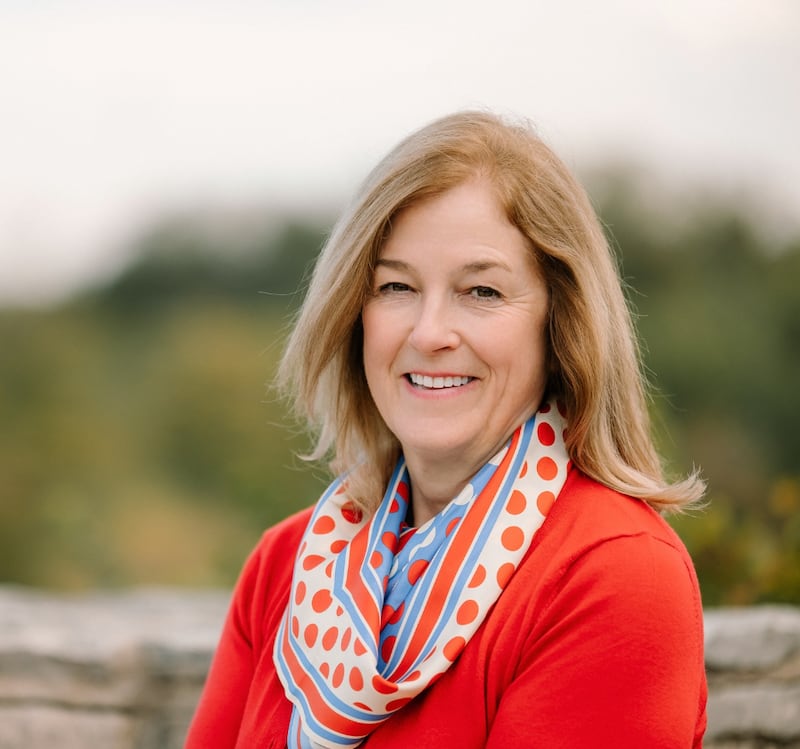
Name: Liz Bishop
What office are you seeking: House of Representatives, District 76
What is your political party?
What is your current age? 65
Occupation and employer: Retired; formerly worked in banking and finance
What offices, if any, have you previously held? La Salle City Clerk (2025 - ); Precinct Committeeman (2020 - ); and Deputy State Central Committeeman (2021-2022)
City: La Salle-Peru
Campaign website: electlizbishop.com
Education: B.A. English literature, Carleton College, Northfield, MN
Community involvement: Current: Oakwood Cemetery (La Salle), Board of Trustees
Previous: La Salle Public Elementary Schools Excellence Foundation, Illinois Valley Symphony Orchestra, Shoes and Clothes for Kids, North Central Illinois ARTworks
Marital status/Immediate family: I am not married; I have one adult son.
What are your top three priorities for this district in Springfield?
- Affordability. The 76th District’s top issue is the same throughout the state: the ever-increasing cost of living in Illinois. High taxes and increased government red tape drive people to leave the state. Illinois is losing young families who struggle to put food on the table and retirees whose retirement savings are not adequate to pay the bills. It is well past time to eliminate unnecessary spending from the state budget so Illinois becomes an affordable place to live. This will require creativity and a willingness to work across the aisle to get the results taxpayers deserve.
- Public Safety. Keeping our communities safe by supporting law enforcement, holding violent offenders accountable, and ensuring victims’ rights are protected is a top priority. Public safety policies should be focused on results—not ideology—so families feel secure in their neighborhoods and businesses can thrive.
- Healthcare Accessibility. With the closings of two local hospitals in Peru and Spring Valley three years ago, and a recent reduction in services at the Ottawa hospital, access to healthcare in the 76th has become increasingly limited. All three hospitals had served their communities for over 100 years each, and no one could ever have imagined we would lose one of them, much less two, and in such a short span of time. Although the Peru hospital reopened almost two years ago, services at the Ottawa hospital have recently been reduced, making me hyper-aware of how quickly rural healthcare can change dramatically and motivating me to run for State Representative to do all I can to prevent healthcare deserts in this district and throughout the state. This life-and-death issue demands a relentless approach to advocate for affordable, accessible healthcare throughout the region. I would support legislation to address the issues with healthcare disparities in Illinois, and I would fight to ensure each family can rely on nearby quality care for emergency services, routine care, and everything in between.
How will you support economic growth and development in your district?
Economic growth starts with making smart, disciplined decisions in Springfield that actually help local communities compete. I will support policies that invest in infrastructure, encourage private-sector job creation, and lower the cost of doing business—because those are the foundations of sustainable growth. When roads, bridges, utilities, and energy costs are predictable and affordable, businesses expand, projects move forward, and working families benefit.
Unfortunately, the current representative’s voting record shows missed opportunities for the 76th District. Instead of standing up for local infrastructure needs, she chose not to vote on the recent CTA bailout that redirected hundreds of millions of dollars away from road and bridge projects in districts like ours and funneled them to Chicago. Those dollars were meant to keep local trades working and projects moving here at home. She also voted for an energy bill that experts warn will raise energy costs for households and businesses, making it harder for businesses to grow and families to get ahead.
I will take a different approach. At the very least, my votes in Springfield will support business growth and infrastructure investment, not work against them. That mindset matters. It’s how we attract new employers, retain existing businesses, and create the conditions for long-term economic development across the district and throughout Illinois.
Economic growth also means recognizing opportunities when they present themselves. The proposed $150 million OSF healthcare facility would have been a major investment in jobs, services, and economic activity for our region. That opportunity is now gone, and our district deserved strong leadership from the current state representative to help land that deal rather than it being pushed away by her. I will work proactively with healthcare providers, employers, and local leaders to pursue development opportunities—not drive them off the table—so our communities can grow, compete, and thrive.
Do you support term limits for state representatives, and if so, what limits?
I support term limits for leadership and believe we need to limit the power of the majority to enact unilateral policy on the whole state. Ideally, voters should determine when it is time for an elected official to leave public office, but incumbency is powerful and so I’d also like to reform campaign finance laws so that we have fewer career politicians and allow new ideas to come forward.
How will you address the state’s long-term pension obligations?
Illinois’ pension crisis wasn’t created overnight, and it won’t be solved with slogans or political stunts. The solution starts with fiscal discipline—stopping the spending that keeps pushing pension costs further out of reach—and with honoring commitments already made to workers and retirees.
As a legislator, I will support responsible budgeting that fully funds required pension payments, resists new unfunded mandates, and avoids using pensions as a political bargaining chip. Unlike the current representative, who has voted for massive spending increases that make pension reform harder, I will take votes that move Illinois toward stability—so future generations aren’t left paying for today’s irresponsibility.
How will you address property taxes and school funding reform?
Lowering property taxes is the best way to keep families together in our state. To gain affordability, we must address the root causes for these increases. Allowing more flexibility for local government bodies regarding setting their levies, decreasing unfunded mandates on both local government and schools, limiting bureaucracy, eliminating duplicate layers of government, and inserting taxpayer voices into the process will help lower costs and keep seniors in their homes. Controlling the cost of property taxes will take creativity and a willingness to work together, and I’m ready to start working to solve this crisis on day one.
Illinois must fund schools responsibly and fairly by prioritizing classroom resources, reducing administrative waste, and ensuring dollars reach students instead of being lost to bureaucracy. Strong schools are built through accountability, local control, and stable funding that doesn’t come as a constant annual increased expense for taxpayers.
What is your stance on the SAFE-T Act? What changes, if any, would you support?
The SAFE-T Act, despite its many trailer bills and band-aid fixes, is still bad policy for Illinois. Law enforcement officials, including police, deputies, lawyers, and judges, must be meaningfully engaged to provide real solutions to our crime problems. Additional needed fixes for the SAFE-T Act include adjustments to pre-trial release, such as allowing the revocation of pre-trial release when defendants commit additional crimes or otherwise violate the terms of their release, and strict and swift action when a defendant violates a no-contact order.
Keeping communities and victims safe should be our priority. To help strengthen communities, legislators must prioritize education in all areas of the state and create opportunities for jobs and meaningful work. When opportunity flourishes because of better economic conditions, families can keep more of their hard-earned money, public officials serve the public and not themselves, crime diminishes, and people find hope.
What legislation would you propose to address crime and public safety in your district?
Public safety starts with backing law enforcement, enforcing existing laws, and closing loopholes that allow repeat offenders to cycle through the system. I would support legislation that strengthens penalties for violent crime, protects victims’ rights, and gives police the tools and resources they need to do their jobs safely and effectively.
Just as importantly, I will oppose policies that undermine accountability or make communities less safe. While the current approach in Springfield has focused on ideology, I will focus on results—supporting smart, commonsense reforms that put public safety first and restore confidence in the justice system.
What is your stance on reproductive rights in Illinois?
Illinois voters—especially women—deserve to have this issue treated with seriousness, compassion, and respect. Too often in politics, it is used as a political wedge during election cycles instead of being handled honestly and responsibly.
Elected officials should be honest about what they can and cannot change. Illinois has some of the most expansive abortion laws in the country, and those laws are settled.
Reasonable and compassionate people disagree deeply on this issue, and I respect that. Where I am focused, and I believe we can agree, is reducing the number of women who find themselves in a crisis pregnancy by strengthening prenatal care, supporting mothers, and improving adoption and foster care systems.
I am not interested in political posturing; I am a problem solver. I will continue opposing the political extremes that use this issue to divide people for political gain. My focus is on policies that help women, children, and families thrive.
What is your opinion of the TRUST Act (sanctuary state protections)?
Illinois should focus on taking care of its own vulnerable residents first—seniors, veterans, children, and working families—before expanding policies that strain local resources and law enforcement. Public safety laws should prioritize cooperation, accountability, and common sense, not political symbolism. I believe state policy should support local communities, respect the rule of law, and ensure taxpayer dollars are used to meet the most pressing needs here at home.
Should the state expand Medicaid funding?
Illinois should make sure Medicaid is sustainable, efficient, and focused on those who truly need it. Simply expanding spending without addressing waste, inefficiencies, and long-term costs puts the entire system at risk and threatens care for seniors, people with disabilities, and low-income families who rely on it most.
I support a balanced approach—protecting access to care while demanding accountability, cost control, and better outcomes. Expanding coverage only makes sense if it’s paired with reforms that strengthen the healthcare system, respect taxpayers, and ensure Medicaid remains viable for the people it was designed to serve.
Should local governments have more authority over solar farm development in their communities?
Yes. Illinois is a diverse state, and a one-size-fits-all approach to legislation does not serve communities well. Local governments understand their land use, infrastructure, and community needs better than Springfield does. They should have more authority over solar farm development—as well as zoning, land use, and large-scale development decisions—so growth is balanced, responsible, and aligned with local priorities.
Should Illinois expand use of nuclear energy, including facilities like the Byron plant? What’s your vision for the state’s energy mix?
Yes. Nuclear energy is a critical part of Illinois’ energy future. It provides reliable, carbon-free baseload power and supports thousands of good-paying jobs - especially here in our region, where facilities like La Salle Station are major economic anchors. I support policies that keep Illinois’ nuclear fleet open, competitive, and operating safely, rather than fighting it with ideological mandates.
Illinois’ energy mix should be balanced and practical: nuclear as the backbone for reliability, complemented by renewables where they make sense, and focused on keeping energy affordable for families and businesses. Leaders like Senator Sue Rezin have fought to protect nuclear jobs and energy stability, and I will share that mindset—supporting policies that strengthen our grid, protect local workers, and avoid driving up rates.
What role should the state play in housing affordability?
Illinois has some of the highest property taxes in the nation, making home ownership unattainable for many hardworking families. The key to making home-buying more accessible is to lower property taxes so that long-term ownership becomes affordable.
How should the state address rising energy costs from data centers? How do you balance water rights between communities and industry regarding data center development?
Data centers can bring investment and jobs, but they should not drive up energy costs or strain water resources for families and local businesses. Large users of energy and water should be required to pay their fair share, invest in efficiency, and contribute to infrastructure upgrades so costs aren’t shifted onto residents.
Local communities must have a seat at the table. Water rights and utility capacity should prioritize residents first, with clear, transparent standards that protect local supplies before approving large-scale industrial projects. Economic development works best when growth is responsible, sustainable, and doesn’t come at the expense of the people who already live and work here.
To what level should the state fund a new stadium for the Chicago Bears?
The Chicago Bears are a tremendous asset for Illinois and, as with any asset, it is appropriate for the state to review and attempt to negotiate a deal for economic development. However, with the state of Illinois facing a major budget crunch, funding a new stadium for the Chicago Bears cannot be a top priority as it would ultimately penalize taxpayers. There is a compelling argument for the state funding some road infrastructure and other infrastructure around any major stadium. This would benefit those using the stadium and the people in the neighborhoods around it, as well as taxpayers as a group. Property taxes for a new stadium in Arlington Heights are currently prohibitive with a recent report suggesting they could be as high as $200 million per year, as compared to just a few million in other states. This issue reflects the challenges Illinois businesses and families face and points to the overall need to solve the property tax issue in Illinois.
Should the state regulate the use of AI in the classroom? To what extent?
AI is a tool, not a threat—but it needs guardrails. The state should set clear, limited standards around data privacy, transparency, and academic integrity, while leaving day-to-day decisions to educators and local school districts. Overregulation would stifle innovation and burden teachers, but ignoring AI entirely would be irresponsible. The goal should be smart oversight that protects students while allowing schools to use AI to enhance learning, not replace it.
Who are your top donors? How often do you speak with them?
I am fortunate to have a broad and diverse base of support that includes individual donors, community members, political committees, and PACs from across the district and beyond. That broad support reflects confidence in my values and my ability to represent this district—not an expectation of special treatment. In addition, I have personally invested in the race because I feel so strongly about the direction Illinois is taking.
I communicate regularly with supporters through phone calls, events, social media, and everyday conversations, just as I do with constituents who may not be donors at all. Support does not buy influence. My decisions will always be guided by what is best for the 76th District, not by who wrote a check. Transparency and independence matter, and voters should always pay close attention to whether a candidate’s voting record aligns with the interests of their constituents—or with those of powerful lobby groups in Springfield.