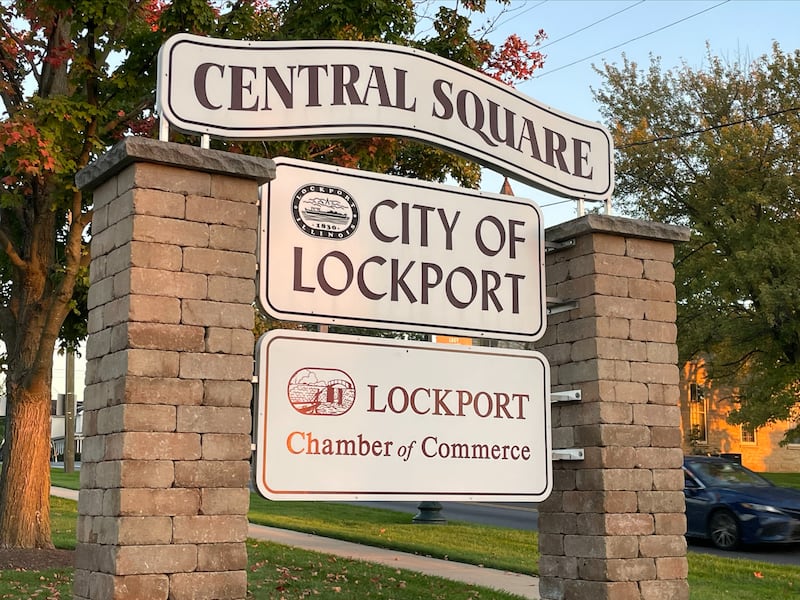
In a pair of announcements Thursday morning, the city of Lockport revealed that it will be suspending further discussions of the possibility of data centers on city property, and revisiting the master plan for the Star Innovation District.
About 200 people attended the first workshop session on Tuesday, including about 80 who attended a protest and media event immediately prior to the meeting.
The attendees showed unity in their opposition to the plan, and expressed significant concerns about utility costs, power usage, water pollution, excessive noise, wildlife disruption, health impacts, loose federal and state regulations, and the uncertainty around the trajectory of the AI industry and the lack of perceived benefits for the city.
:quality(70)/cloudfront-us-east-1.images.arcpublishing.com/shawmedia/JRHNN54YX5GM5OTDMCN2NPL4D4.jpeg)
In Thursday’s statement the city acknowledged these discussions stating, “in recognition of those concerns, and until clearer regulatory frameworks are established at the state and federal levels, the City Council will suspend discussions regarding future data center development proposals within the city of Lockport."
The follow-up workshops which had been scheduled for June 4 and June 25 have been canceled.
The city said it will be letting its Letter of Intent with VME Developers expire on May 31. The agreement was signed in September and prevented the sale of the Star Innovation District property for eight months while the proposal was further researched.
City Administrator Ben Benson clarified to Shaw Local that the the expiration date of July 1 cited during the workshop was incorrect.
During Tuesday’s workshop, Mayor Steven Streit said since Lockport owns the property, which takes up 165 acres along the canal and once housed the Chevron oil refinery, the city would be in a unique bargaining position to make demands of a data center development.
The city could set its own guidelines to mitigate the impact on the community, even in the absence of strict state or federal regulation, Streit said.
:quality(70)/cloudfront-us-east-1.images.arcpublishing.com/shawmedia/OV62JYZEZJFJXBPPOT3T5S3AZY.jpeg)
Many residents pushed back on this assertion, fearing demands would be ineffective, and the best solution was to not engage with the industry at all.
The city acknowledged the lack of “broader state and federal oversight addressing the cumulative impacts of the rapidly expanding compute industry and the large-scale data center development” in its statement.
It also suggested that “meaningful regional and national planning frameworks addressing power, water, environmental impacts, and the broader societal implications of the compute industry” are lacking and needed.
When asked why the city decided to end consideration of a data center, Benson said “it was clear the community was not willing to trust this industry to perform responsibly under current state and federal regulations.”
Master plan review
While the workshops have been canceled, the city still intends to continue discussions about the future of the Star Innovation District.
:quality(70)/cloudfront-us-east-1.images.arcpublishing.com/shawmedia/2YDPIJU5VAPVCF76WQSGI7SORQ.jpg)
Lockport officials recognized the district’s master plan, which was approved in 2022 a year after the city purchased the property, will be five years old next spring.
The city said the time is right to begin a review and update for the plan.
The original master plan was created following a “community-driven planning process” which the city plans to revisit.
One of the primary questions will be if data centers will remain an approved use, as they are currently included in the plan.
As Streit noted during Tuesday’s workshop, when the plan was approved “data centers meant something entirely different.”
“They have been building data centers for 30 years,” he said. “It seemed very passive, and we were envisioning the 10 megawatt facilities that host Netflix, not the huge ones like they’re building now in Joliet.”
In its Thursday announcement, the city said officials “anticipate engaging residents, stakeholders, and planning professionals to evaluate the current plan and consider potential updates reflecting changing conditions and future opportunities for the district.”
The concept of reopening the master plan to changes was introduced at the workshop in response to residents’ demands the City Council give them more input, potentially with a referendum.
More information about the review process and opportunities for the public to get involved will be announced at a later date.
While future data center workshops will not be held, the city “extends its appreciation to the panelists and subject matter experts who participated and shared their knowledge with residents Tuesday, helping foster a more informed, transparent, and constructive public discussion.”