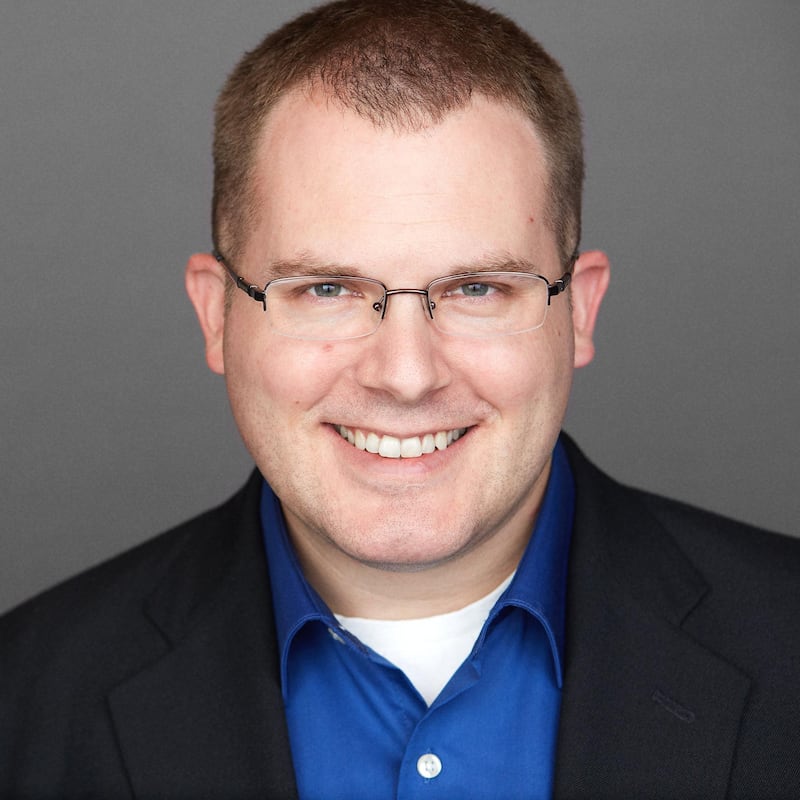
Name: Adam Beaty
What office are you seeking: Illinois State Representative District 80
What is your political party?
What is your current age? 39
Occupation and employer: Patrol Sergeant; City of Braidwood Police Department
What offices, if any, have you previously held? City Clerk ; City of Braidwood
Reed Township Trustee - Elected 2021-2025
Secretary Braidwood Police Pension Board ; Current
City: Braidwood
Campaign website: Beatyforillinois.com
Education: Bachelor of Art - Criminal Justice, Lewis University - 2009
Undergraduate Study - University of Illinois @ Springfield - 2005-06
Community involvement: Knights of Columbus
Marital status/Immediate family:
What are your top three priorities for this district in Springfield?
-Affordability for all Illinois Families by capping property taxes and encouraging economic growth
-Safer Communities by reforming the SAFE-T Act and empowering judges
-Stronger Schools through parental choice and parental advocacy.
How will you support economic growth and development in your district?
I am committed to strengthening economic growth in our district by attracting new industries that create good-paying jobs and keep those jobs right here in Illinois. I will work to ensure small businesses have access to capital, training, and fair/limited regulations so they can grow and hire locally. By partnering with educators, employers, and community leaders, I will help prepare our workforce for in-demand careers and emerging industries. I will also ensure Illinois supports smart infrastructure investments—such as transportation, broadband, and utilities—that make our district unique, more competitive, and a better place to live, work, and do business. My focus is on building a resilient local economy that relies far less on residential tax dollars and delivers opportunity, stability, and long-term prosperity for all residents.
Do you support term limits for state representatives, and if so, what limits?
I am a strong advocate for term limits. State Representatives are elected every two years, which, as we know, is not a lot of time to get the work done I aspire to, let alone get any work done within the State of Illinois. However, I am supportive of limits to to 3-4 terms (6-8 years). After 6-8 years, I believe the representative seated has done one of three things; (1)He/She has completed what they set out to do, or (2) he/she has done satisfactory work well enough to advance within state government, or (3) they have been stagnant and their goals rendered obsolete. There should be no need to make a career extending over a decade in any seat of government.
How will you address the state’s long-term pension obligations?
I am committed to addressing the state’s long-term pension obligations in a responsible and transparent way that honors commitments to current retirees while protecting taxpayers and future generations. Illinois’ pension system is an absolute mess. As of 2026, the Illinois pension system is just shy of 48% funded. That does not provide the stability retirees need to feel confident their benefits will be there when they need them. As State Representative, I will work, with all willing, to reform the system with respect to Tier 2. Illinois must preserve the cost-saving framework brought by Tier 2. I will support expanding retirement choice. All state employees should be afforded the same opportunities members of the State Universities Retirement System enjoy. Finally, I will lead a charge or strongly back every effort to amend the Illinois Constitution so the legislature can make changes to the current system while preserving what has already been promised and guaranteed.
How will you address property taxes and school funding reform?
I am committed to easing the pressure of property taxes by working to ensure municipalities work within their means. I will lead a charge or strongly support any legislation which would call for a cap to property taxes, especially for the seniors of our communities. Expanding local economic growth as I’ve previously mentioned, will lift the weight from the shoulders of the residents. As property taxes relate to school funding reform, again, Illinois families and seniors are asked to shoulder an increasing share of school costs even as funding systems fail to reflect current enrollment, student needs, or local capacity. I endeavor to deliver meaningful property tax relief while protecting educational quality and ensuring every student has access to a strong public education and invaluable resources.
What is your stance on the SAFE-T Act? What changes, if any, would you support?
The SAFE-T Act warrants careful review and meaningful reform. Chief among the concerns is the limitation it places on judicial discretion. Judges should be empowered to evaluate cases on an individualized, case-by-case basis rather than being constrained by broad statutory guidelines. Too often, judges are compelled to release individuals back into the community because they lack the authority to detain them under the Act’s criteria, even when public safety concerns are present.
Additional challenges associated with the SAFE-T Act include diminished public safety—both actual and perceived—higher Failure to Appear (FTA) rates, and a significant reduction in victim restitution. Moreover, the Act has imposed substantial financial burdens on law enforcement agencies, particularly smaller departments. Mandated training requirements and operational changes have created significant and ongoing costs.
For these reasons, the SAFE-T Act requires targeted repeals and reforms. I am committed to prioritizing public safety while reducing unnecessary strain on police departments, ensuring they are better equipped to adapt to reforms and serve their communities effectively.
What legislation would you propose to address crime and public safety in your district?
To address crime and strengthen public safety in my district, I would propose legislation that restores balance, accountability, and common sense to our criminal justice system. This includes expanding judicial discretion so judges can make case-by-case decisions based on risk, circumstances, and public safety, rather than being constrained by inflexible mandates.
I would also support legislation that improves pretrial accountability, reduces Failure to Appear rates, and ensures victims receive timely restitution. Public safety laws must protect the rights of the accused while also prioritizing the safety and confidence of our communities.
In addition, I would advocate for legislation that provides law enforcement agencies—especially smaller departments—with sustainable funding, realistic training requirements, and the flexibility needed to implement reforms without compromising staffing or public safety services.
My approach to public safety legislation is focused on prevention, accountability, and partnership: preventing crime through smart policy, holding offenders accountable, and supporting the professionals who serve on the front lines. Public safety should never be an afterthought, and I am committed to advancing legislation that reflects that priority.
What is your stance on reproductive rights in Illinois?
As a man, I approach reproductive policy with humility and an understanding that women carry the physical and medical realities of pregnancy. I believe these decisions are deeply personal and should be guided by family, faith or values, and medical professionals—not dictated by politicians.
I support policies that respect the dignity of both women and unborn life, grounded in medical science, compassion, and personal responsibility. My focus is on reducing the need for abortion through education, access to contraception, strong family support, and improved maternal healthcare, while opposing extreme or one-size-fits-all mandates.
Above all, I believe reproductive policy should reflect our shared values: respect for life, individual liberty, and limited government involvement in deeply personal decisions.
What is your opinion of the TRUST Act (sanctuary state protections)?
As a 12-year veteran of law enforcement, I do not support the Illinois TRUST Act. I believe public safety is best served when local, state, and federal law enforcement agencies are able to communicate and work together within the bounds of the law.
The TRUST Act creates unnecessary barriers to cooperation, limiting information-sharing and collaboration that are critical to preventing crime and protecting our communities. Law enforcement officers should not be placed in the position of navigating political restrictions that undermine public safety or officer effectiveness.
I support policies that encourage lawful cooperation among all levels of law enforcement, strengthen trust with the community, and ensure officers have the tools they need to keep our neighborhoods safe
Should the state expand Medicaid funding?
I believe the endeavor to expand Medicaid funding in Illinois should be paused until the state achieves a sustainable and responsible budget. At a time when Illinois continues to face serious fiscal challenges, we must ensure that taxpayer dollars are managed responsibly and long-term obligations are fully funded.
Medicaid should prioritize the needs of Illinois taxpayers and its most vulnerable citizens, not place additional strain on an already overburdened system. Expanding programs without stable funding sources risks undermining the quality of care and the overall financial health of the state.
Fiscal responsibility must come first. Before considering further expansion, Illinois must restore budgetary discipline, ensure programs are properly funded, and demonstrate accountability to the taxpayers who support them.
Should local governments have more authority over solar farm development in their communities?
I support expanding local government authority over the siting and development of solar farms within their communities. Local officials and residents are best positioned to evaluate land use, infrastructure impact, and community needs, and their voices should carry meaningful weight in these decisions.State policy should empower—not override—local governments, ensuring that energy projects move forward in a way that reflects community input and long-term local interests.
Should Illinois expand use of nuclear energy, including facilities like the Byron plant? What’s your vision for the state’s energy mix?
Illinois leads the nation in nuclear energy. As such, Illinois should set the example in clean, reliable energy by preserving and modernizing our existing nuclear power plants. Nuclear energy provides carbon-free, dependable power and positions our state as a model for sustainable energy. At the same time, we must support workers in declining energy sectors, such as coal, by providing retraining, transition assistance, and economic opportunities. Our energy policy should balance leadership in clean energy with responsibility to the hardworking men and women who power our state.
What role should the state play in housing affordability?
Housing affordability in Illinois should be addressed by reducing the overall cost of living, not by expanding government subsidies or creating new social programs. By lowering taxes, exercising fiscal restraint in state spending, and reducing burdensome regulations, we can make housing more accessible and sustainable for families and individuals.
How should the state address rising energy costs from data centers? How do you balance water rights between communities and industry regarding data center development?
I support stronger oversight and regulation of data centers to protect household and small business ratepayers from rising energy costs. We must ensure that these facilities operate responsibly, and that developers meet stricter requirements before construction. Additionally, I support reevaluating the tax incentives provided to data centers to ensure they are fair, transparent, and provide a true return on investment for Illinois communities. As it relates to water rights, I believe water resources are a shared and vital community asset, and their use must be managed responsibly. I believe that water rights between communities and data center developers should apply the “reasonable use” doctrine, ensuring that developers use water efficiently without harming the supply or quality available to residents, farmers, and small businesses. Balancing growth with conservation is essential to protecting Illinois communities’ water for current and future generations.
To what level should the state fund a new stadium for the Chicago Bears?
Taxpayer dollars should not be used, under any circumstances, without proper referendum, to fund a new stadium for the Chicago Bears. Public funds belong to the residents of Illinois and should be prioritized for essential services such as education, public safety, and infrastructure—not private sports franchises. Any stadium project should be privately financed, ensuring that the financial burden does not fall on taxpayers.
Should the state regulate the use of AI in the classroom? To what extent?
I support responsible regulation of artificial intelligence in the classroom. Schools should use technology as a tool to enhance learning, not as a substitute for critical thinking. Educational institutions must empower students to develop their own ideas, problem-solving skills, and creativity, ensuring that AI supports—but does not replace—the essential process of independent learning.
Who are your top donors? How often do you speak with them?
My top donors are the people of my district. Plain and simple. I, nor my vote on the house floor will be bought by those with deep pockets. Some have said that such an approach may cause great difficulty in my campaign. Be that as it may, I have a strong personal conviction that money will not guide my decisions and how I represent my constituents. I work for the people of the great state of Illinois, and I will never lose sight of that for the sake of the dollar.