There seems to be a big fuss lately about fraud in state governments, as evidenced by the misuse of federal funds in Minnesota. However, the discussion of fraud in Illinois has been on the back burner for recent years. Illinois has had a culture of corruption for many years.
The first corruption case occurred in 1869 when Cook County commissioners were jailed for rigging a bid to paint City Hall.
Recently, U.S. Rep. Jesse Jackson Jr. was charged with mail fraud, wire fraud and misuse of campaign funds, pled guilty, and served 30 months in jail, along with his wife, who served at different times so that someone could care for the children.
U.S. Congressman Dan Rostenkowski pleaded guilty to misusing congressional funds and served 17 months in prison.
Four recent Illinois governors served time in prison, which, according to the University of Illinois at Chicago, ranked Illinois the second most-corrupt state in the country.
Illinois House Speaker (1983-1995, 1997-2021) Michael Madigan was convicted of racketeering and bribery involving dealings with Commonwealth Edison and received a 7.5-year sentence. Bribery requires two or more participants. Four Commonwealth Edison employees were on the giving side of the bribe, including the CEO, who was sentenced to 24 months in prison in addition to a $750,000 fine.
The scheme involved Commonwealth Edison paying off Madigan’s cronies in exchange for favorable treatment in major legislation in Springfield. According to Dick Simpson, head of the political science department at the University of Illinois at Chicago, a 2010 estimate of the “corruption tax borne by taxpayers in Chicago and Illinois comes to a staggering $500 million a year.” Having talked with contractors in Chicago over the years, they typically allocate about 6% of their project budget as a corruption tax to facilitate navigating the bureaucracy.
So why would someone risk their career, reputation and jail by participating in such an activity? The short answer is that is the way it works in Illinois: money, greed and opportunity.
Greed is an essential component of a corrupt political system, but opportunity is the other component. The thought of amassing a fortune (money, greed) with little chance of getting caught is palatable (opportunity) to those in power, such as politicians and executives of large companies.
Ultimately, the culture of corruption in Illinois “comes down to what the voter will put up with,” says James Merriner, former political editor of the Chicago Sun-Times and author of several books on Illinois politics. Illinois voters tend to be tolerant of corruption as a means of facilitating getting things done.
Cindi Canary, director of the Illinois Campaign for Political Reform, says about corruption, “It’s been seen as a price you pay for relatively efficient government.”
Single-party control in Illinois, aided by the legacy media, has contributed to the corruption problem. With a supermajority in both houses of the state legislature, it is difficult for the opposition to affect positive change or expose corruption.
Apparently, generations have experienced political corruption in Illinois and have resigned to this as a common practice, no longer subject to ethical scrutiny. Things could get better if there were equal influence between the two parties and if the legacy media returned to neutrality, but don’t count on it.
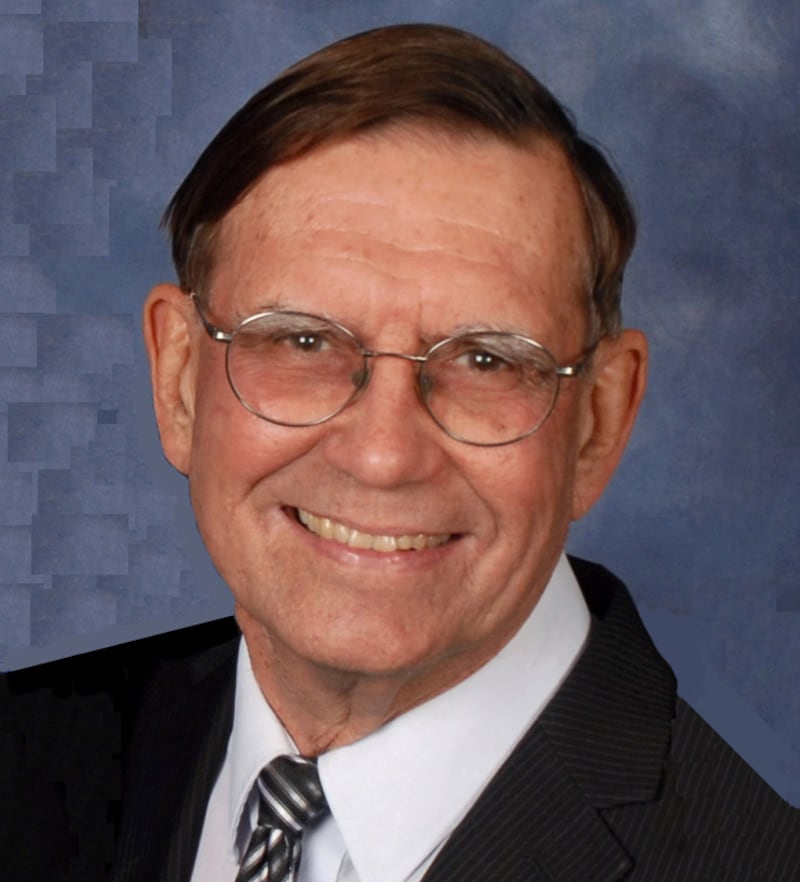
Chuck Roberts is a freelance writer in Rochelle.