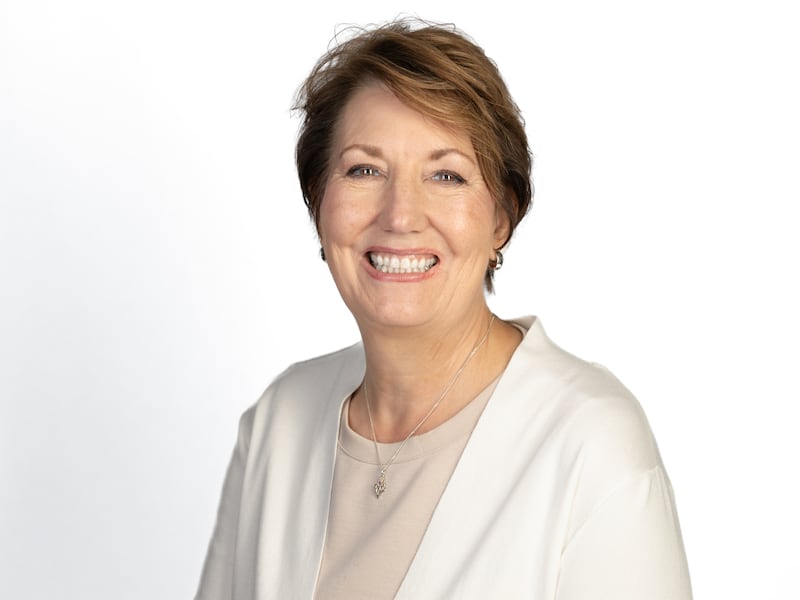
Name: Karen Battaglia
What office are you seeking: State Senator
What is your political party? Democrat
What is your current age? 63
Occupation and employer: Trauma Program Coordinator at Northwestern Medicine McHenry Hospital
What offices, if any, have you previously held? N/A
City: Antioch
Campaign website: karenforil32.com
Education: Doctor of Nursing Practice
Community involvement: Beyond the bedside, I am deeply involved in professional and civic leadership. I currently serve as President of the Illinois Emergency Nurses Association, representing thousands of nurses statewide and advocating for safer workplaces, stronger healthcare systems, and policies that protect patients and frontline workers. I also chair statewide initiatives focused on preventing workplace violence in healthcare, working collaboratively with hospitals, physicians, first responders, and community partners.
Marital status/Immediate family: Divorced, Three children and five grandchildren
What are your top three priorities for this district in Springfield?
1. Protecting access to affordable, high-quality healthcare As a nurse, I see firsthand how policy decisions affect patients and families. In Springfield, my top priority will be protecting access to care - especially emergency services, mental health care, reproductive healthcare, and care for seniors. That means strengthening our healthcare workforce, reducing burnout and violence against frontline workers, and making sure care is accessible close to home, not delayed or denied because of cost, staffing shortages, or zip code.
2. Lowering costs and supporting working families Families in Lake and McHenry Counties are feeling squeezed by rising costs - property taxes, healthcare expenses, childcare, and everyday necessities. I will focus on practical solutions that help families keep more of what they earn, support good-paying jobs, and invest in local infrastructure and schools. Economic growth should benefit the people who live and work here, not just special interests.
3. Building safe, strong communities Public safety means more than policing - it includes mental health support, violence prevention, safe schools, and preparedness for emergencies. I will advocate for evidence-based approaches that reduce violence, support first responders and healthcare workers, and strengthen community-based resources. My goal is to ensure our communities are places where families feel safe, supported, and heard.
How will you support economic growth and development in your district?
Economic growth should strengthen our local economy while keeping our communities affordable. In Springfield, I will focus on policies that support working families, small businesses, and job creation in Lake and McHenry Counties - without driving up property taxes or the cost of living.
First, I will advocate for workforce development and apprenticeship programs that connect residents to good-paying jobs in sectors already central to our district, including healthcare, local manufacturing, logistics, and the skilled trades. Strong local employment helps families manage housing costs, reduces long commutes, and keeps more income circulating locally.
Second, I will support small businesses in our downtowns and commercial corridors—from Crystal Lake and McHenry to Antioch and Fox Lake—by expanding access to capital, cutting unnecessary red tape, and strengthening state programs that help locally owned businesses grow and hire. When small businesses thrive, they broaden the local tax base, helping ease long-term pressure on residential property taxes.
Finally, I will prioritize smart, fiscally responsible infrastructure investments - maintaining local roads and bridges, upgrading aging utilities, and addressing targeted gaps in high-speed access(fiber)where they still exist - so communities remain attractive places to live and do business without unnecessary costs passed on to taxpayers.
My goal is economic growth that creates opportunity, supports working families, and keeps our district affordable for current and future generations.
Do you support term limits for state senators, and if so, what limits?
I believe accountability and transparency are essential in government, but term limits are not a simple yes-or-no solution. Experience in the legislature can matter - especially when it comes to understanding complex issues like healthcare, public safety, education funding, and the state budget.
That said, I do support reasonable limits that encourage fresh perspectives while still allowing legislators enough time to be effective. Just as important as term limits are strong ethics laws, fair maps, competitive elections, and transparency, so voters have real choices and confidence in their government. My focus is on ensuring elected officials remain responsive to the people they serve and grounded in the communities they represent.
How will you address the state’s long-term pension obligations?
Illinois’ pension obligations are real and must be addressed responsibly - without breaking promises to retirees or workers who earned their benefits. The state constitution protects those commitments, and I respect that.
I support staying on a disciplined funding path by making required pension payments on time and moving toward more actuarially sound practices that actually reduce long-term debt. I also support responsibly addressing problems within Tier 2 pensions, which raise fairness and recruitment concerns for public employers, as long as any fixes are fully funded and transparent.
Finally, I am open to evidence-based tools - such as voluntary buyout options and stronger oversight - that can reduce long-term liabilities without shifting costs onto future generations.
My approach is practical: honor commitments, fix what’s broken, and make sustainable decisions that protect taxpayers and essential services.
How will you address property taxes and school funding reform?
Property taxes are one of the biggest pressures on families in our district, and school funding is a major driver of those costs. I believe we can provide relief to homeowners without shortchanging our schools.
First, I support continued state investment in evidence-based school funding so local districts are not forced to rely so heavily on property taxes to fund classrooms. When the state meets its funding commitments, it reduces pressure on homeowners while giving students the resources they need.
Second, I support targeted property tax relief - such as protecting and expanding exemptions for seniors and middle-income homeowners - and greater transparency so residents understand where their tax dollars are going. Relief should be meaningful and focused on the people most impacted by rising costs.
Finally, I believe long-term reform requires addressing cost drivers, including unfunded mandates and inefficiencies that push expenses onto local taxpayers. Working collaboratively with school districts, educators, and local governments is essential to finding solutions that are fair, sustainable, and responsive to local needs.
My goal is a balanced approach: strong public schools, predictable funding, and property taxes that families can afford.
What is your stance on the SAFE-T Act? What changes, if any, would you support?
I believe justice reform, strong law enforcement, and community safety are not competing goals - they are interdependent. The SAFE-T Act was intended to make our justice system fairer and more effective, and I support its core principles, including accountability and an end to wealth-based detention.
At the same time, public safety depends on giving law enforcement the tools, training, and clarity they need to do their jobs well. I support working closely with police, prosecutors, judges, and local governments to ensure the law is implemented consistently and that officers can focus on serious and violent crime.
Community safety also requires addressing root causes - mental health crises, substance use, domestic violence, and repeat victimization. As a nurse, I see the consequences when systems fail to intervene early. Investments in mental health services, victim support, and violence prevention strengthen public safety and reduce repeat harm.
My approach is practical and data-driven: uphold reform, support law enforcement, listen to communities, and make adjustments when evidence shows they are needed - because safe communities depend on trust, fairness, and effective enforcement working together.
What legislation would you propose to address crime and public safety in your district?
Public safety requires prevention, accountability, and strong community systems working together. In Springfield, I would focus on legislation that keeps communities safe while supporting law enforcement and addressing root causes of crime.
One specific proposal I support is a Behavioral Health Crisis Response Act, expanding crisis response teams so mental health emergencies are met with trained professionals, not just jail or emergency rooms. In communities like Fox Lake or Woodstock, this could mean a crisis team responding to a 911 call, helping de-escalate situations and connect people to care while allowing police to focus on serious crime. The program would leverage existing federal mental health and 988 crisis funding, Medicaid reimbursements, and savings from reduced emergency room and jail use - without creating an unfunded mandate for local governments.
I also support funding for officer training and wellness, domestic violence services, and evidence-based violence prevention. As a nurse, I believe smart prevention and strong enforcement together keep communities safe.
What is your stance on reproductive rights in Illinois?
I strongly support reproductive rights in Illinois and believe decisions about pregnancy and reproductive healthcare belong to patients, in consultation with their healthcare providers - not politicians. I respect that people hold deeply personal and different views on this issue, and my role as a legislator is to protect individual freedom and access to care, not impose beliefs.
As a nurse, I view reproductive care as essential healthcare. Illinois has taken important steps to protect access, especially as neighboring states have restricted care, and I support maintaining and enforcing those protections so patients can receive timely, safe, and compassionate care close to home.
I also believe reproductive rights include access to contraception, prenatal and postpartum care, and maternal mental health services. Protecting reproductive freedom means supporting the full spectrum of care and ensuring providers can practice medicine without political interference.
I believe my stance is grounded in healthcare, privacy, and respect for individual autonomy - because personal medical decisions should remain personal.
What is your opinion of the TRUST Act (sanctuary state protections)?
I support the principles behind the TRUST Act in Illinois - building trust between immigrant communities and law enforcement while focusing limited enforcement resources on serious public safety threats. The goal is to ensure that all residents feel safe reporting crimes, cooperating with investigations, and accessing essential services, without fear that routine interaction with law enforcement will lead to deportation for themselves or loved ones.
At the same time, I believe public safety must always be paramount. Any policies related to immigration and enforcement should ensure that serious, violent offenders are not shielded, and that law enforcement has the clarity and tools they need to protect the community.
In practice, that means supporting state-level protections like the TRUST Act that:
• Limit state and local law enforcement from acting as immigration enforcement agents in routine policing, and
• Prioritize cooperation on serious public safety concerns, not civil immigration matters.
This framework focuses on keeping communities safe while fostering fairness and trust between residents and law enforcement. When people feel safe reporting crime and cooperating with police, it makes our whole community safer - not just for immigrants, but for everyone.
Should the state expand Medicaid funding?
Yes- in general I support expanding Medicaid funding in Illinois, but I’d frame it as targeted, outcomes-driven expansion rather than “more spending for the sake of spending.”
Medicaid already covers about 3.5 million Illinois residents and relies heavily on federal matching funds (the federal share is a major portion of total program funding). With ongoing federal volatility and potential reductions creating pressure on Illinois’ budget and providers, I would prioritize funding that:
• Protects core coverage and access, especially behavioral health and substance use treatment (which directly affects public safety and ER crowding).
• Strengthens provider networks (so people can actually get appointments, not just an insurance card).
• Invests in prevention and primary care to reduce avoidable ER use and costly hospitalizations.
• Draws down every eligible federal dollar and ties expansions to clear performance metrics and program integrity.
A strong, stable Medicaid program is also an economic issue—supporting hospitals, clinics, nursing homes, and local jobs across the region.
Should local governments have more authority over solar farm development in their communities?
Yes - I believe local governments should have a meaningful role in decisions about solar farm development in their communities. Clean energy is important, but how and where projects are built matters to the people who live nearby.
Local officials understand their land use plans, infrastructure capacity, agricultural priorities, and community concerns better than anyone. Giving municipalities and counties a seat at the table helps ensure solar development is thoughtfully sited, protects farmland and natural resources, and reflects local needs and values.
At the same time, I support clear statewide standards so projects are reviewed consistently and developers have predictable rules. The right balance is statewide goals with strong local input - encouraging renewable energy while respecting home rule, community character, and responsible development.
My focus is on solutions that move Illinois forward on clean energy without overriding the voices of local residents.
Should Illinois expand use of nuclear energy, including facilities like the Byron plant? What’s your vision for the state’s energy mix?
I support keeping Illinois’ existing nuclear plants strong, including facilities like the Byron plant. Nuclear energy provides reliable, carbon-free power and plays a critical role in grid stability, especially as we transition to cleaner energy sources. Preserving these plants protects good-paying union jobs, keeps energy affordable, and avoids replacing dependable power with higher-cost or higher-emission alternatives.
I am open to carefully expanding nuclear energy, including emerging technologies like small modular reactors, but only with strong safety standards, cost transparency, and meaningful community input. Expansion must protect ratepayers and local communities.
My vision for Illinois’ energy mix is focused on reliability, affordability, and long-term sustainability:maintain nuclear as a clean backbone, responsibly grow renewables, invest in energy efficiency, and ensure the system works in all conditions so families and businesses can count on dependable power.
What role should the state play in housing affordability?
The state has an important role in making housing more affordable, especially by helping reduce the pressure housing costs place on property taxes. Housing affordability affects working families, seniors, first-time homebuyers, and local employers across our district.
First, the state should expand support for affordable, workforce, and first-time homebuyer housing so communities can grow without relying so heavily on property taxes. Down-payment assistance, low-interest loans, and incentives for modest, owner-occupied housing help families buy homes while stabilizing the local tax base.
Second, the state should address market pressures that drive up prices, including the growing practice of large real estate investment firms buying single-family homes to convert into rentals. For example, a young family or a teacher working in our district should have a fair chance to buy a starter home in places like Crystal Lake, McHenry, or Antioch before it is purchased in bulk by an out-of-state investor. A right of first refusal for owner-occupant buyers would help level the playing field.
Finally, the state should reduce cost drivers - such as unfunded mandates and barriers to adaptive reuse - and protect seniors and residents on fixed incomes from displacement.
The goal is to increase homeownership, increase housing supply, and relieve property tax pressure while preserving strong, stable communities.
Illinois should balance water use the same way we balance any scarce, essential resource: protect drinking water first, require transparency, and make industry prove it can operate without harming communities. Data centers can bring investment, but they can also place real demands on local water systems - so the rules need to be clear and fair.
How should the state balance water rights between communities and industry, particularly regarding data centers?
What I would support in Springfield:
• Public health first: Drinking water and basic community needs come first. Large new users should not be approved if they risk shortages, reduced pressure, or higher costs for residents.
• As data centers and other high-demand facilities expand, the state needs clearer expectations. I support requiring large water users to be transparent about how much water they consume and how that demand affects local systems. Communities deserve advance notice, public reporting, and ongoing monitoring so residents and local leaders can understand impacts on water supply, infrastructure, and costs before projects move forward - not after problems arise.
• Water-neutral development standards: If a project needs large volumes of water for cooling, it should be required to use best-available conservation (closed-loop/low-water systems where feasible), reuse non-potable water when possible, and fund local infrastructure upgrades so costs aren’t shifted to taxpayers.
• Respect local decision-making with clear statewide standards: Communities should have a real voice in how high-water-use facilities are sited and approved, while the state sets consistent rules and enforces them so large withdrawals are managed responsibly and fairly across Illinois.
Bottom line: economic development is welcome, but not at the expense of clean, affordable, reliable water for the people who live here.
To what level should the state fund a new stadium for the Chicago Bears?
As a lifelong Chicago Bears fan, I understand the pride and excitement the team brings to our state. That said, I do not support using taxpayer dollars to subsidize the construction of a new stadium for a private, highly profitable sports franchise.
If the state plays any role at all, it should be strictly limited to public infrastructure improvements - such as roads, transit, and public safety - that benefit the surrounding community regardless of who owns the team. Any proposal must include full transparency, strong taxpayer protections, and a clear public return.
Illinois can celebrate its teams and support economic activity, but we also have a responsibility to prioritize schools, healthcare, public safety, and property tax relief. Being a fan doesn’t change the need for fiscal responsibility - and taxpayers deserve accountability, not blank checks.
Should the state regulate the use of AI in the classroom? To what extent?
Yes - the state should set clear guardrails for the use of AI in classrooms, while leaving day-to-day decisions to educators and local school districts. State oversight should focus on protecting student data and privacy, requiring transparency about how AI tools are used, and ensuring AI supports learning rather than replacing teachers or undermining academic integrity.
At the same time, districts and teachers need flexibility to use AI responsibly for tutoring, accessibility, and individualized instruction. The goal is to protect students, support educators, and prepare young people to use new technology safely and responsibly - without stifling innovation or local control.
Who are your top donors? How often do you speak with them?
My campaign is powered by everyday people - nurses, educators, union families, retirees, and neighbors - most giving small amounts because they want a voice in how our community is represented. Like many first-time candidates, I also received early seed support from the Illinois Senate Democratic caucus to help launch the campaign, but my ongoing support comes primarily from grassroots donors who live and work here.
I don’t give donors special access or influence. I talk to people across the district every day—at community events, on doorsteps, and in everyday conversations—not just people who write checks. No one gets a louder voice because of the size of their donation.