The Illinois Department of Public Health has issued its first ever carbon monoxide surveillance report with the goal of helping official create public information and education initiatives to help avoid illness or death from exposure.
The report revealed that more than 50 Illinois residents die each year from carbon monoxide exposures.
The study details all known unintentional carbon monoxide (CO) exposures in the state from 2019 to 2023.
“Carbon monoxide poisoning can be a silent killer, but it is also completely preventable,” IDPH Director Dr. Sameer Vohra said in a statement announcing the report. “Simple steps like installing and maintaining carbon monoxide alarms and checking appliances can save lives. This first-ever report gives us the tools and strategies to act now, protecting Illinois families and preventing these tragedies before they happen.”
Illinois fire departments responded to 9,860 carbon monoxide-related calls across the state in 2024 alone, the IDPH report stated.
“These numbers serve as a powerful reminder that carbon monoxide remains a serious and potentially deadly threat in our homes,” Illinois State Fire Marshal Michele Pankow said. “Regularly testing your alarms, checking expiration dates, and replacing units that are broken or outdated is your strongest line of defense against accidental carbon monoxide poisoning or worse.”
:quality(70)/cloudfront-us-east-1.images.arcpublishing.com/shawmedia/YDYQNZUSBVWWPPKLDCJTH46CI4.jpg)
Some of the key findings detailed in the report include:
- Carbon monoxide exposures resulted in an average of 940 emergency department visits, 126 hospital admissions, and 57 deaths annually in Illinois over the five years of the study.
- Unintentional CO exposures happen year round, though are most common between October and March.
- Some of the most common sources of unintentional CO exposures are fire and smoke, malfunctioning furnaces, gas appliances including stoves and water heaters, exhaust from vehicles running in garages, electric generators operating indoors without ventilation and gas-powered tools being operated without proper ventilation.
- During the five-year study, Illinois fire departments responded to more than 50,000 carbon monoxide incidents.
- 95% of fire department CO calls took place in residential settings, with an additional 2.4% taking place in commercial/business settings.
- Carbon monoxide exposures were most likely to happen on Sundays and usually happening in the evening between 6 p.m. and midnight. These times are considered points when people are more likely to be home using the furnace and other potentially hazardous appliances.
- In 81% of incidents there was no data provided on whether a working CO detector was in place at the site. In only 6% of incidents, residents were alerted to the issue because of a working detector, while 12% reported not knowing the status of a detector. Only 1% verified that a detector was not present.
“The data shows that carbon monoxide exposure is not a rare or isolated threat,” according to the report. “It is happening every day, affecting residents of all ages, in homes across every part of Illinois... This report is more than a set of statistics; it is a call to action.”
Next steps
The state will use the report to support a number of initiatives “aimed at improving awareness and prevention of carbon monoxide exposures.”
Some of these initiatives include:
• strengthening public information campaigns about the dangers of CO exposure
• providing data to local health departments and community partners to tailor outreach efforts to heavily impacted communities
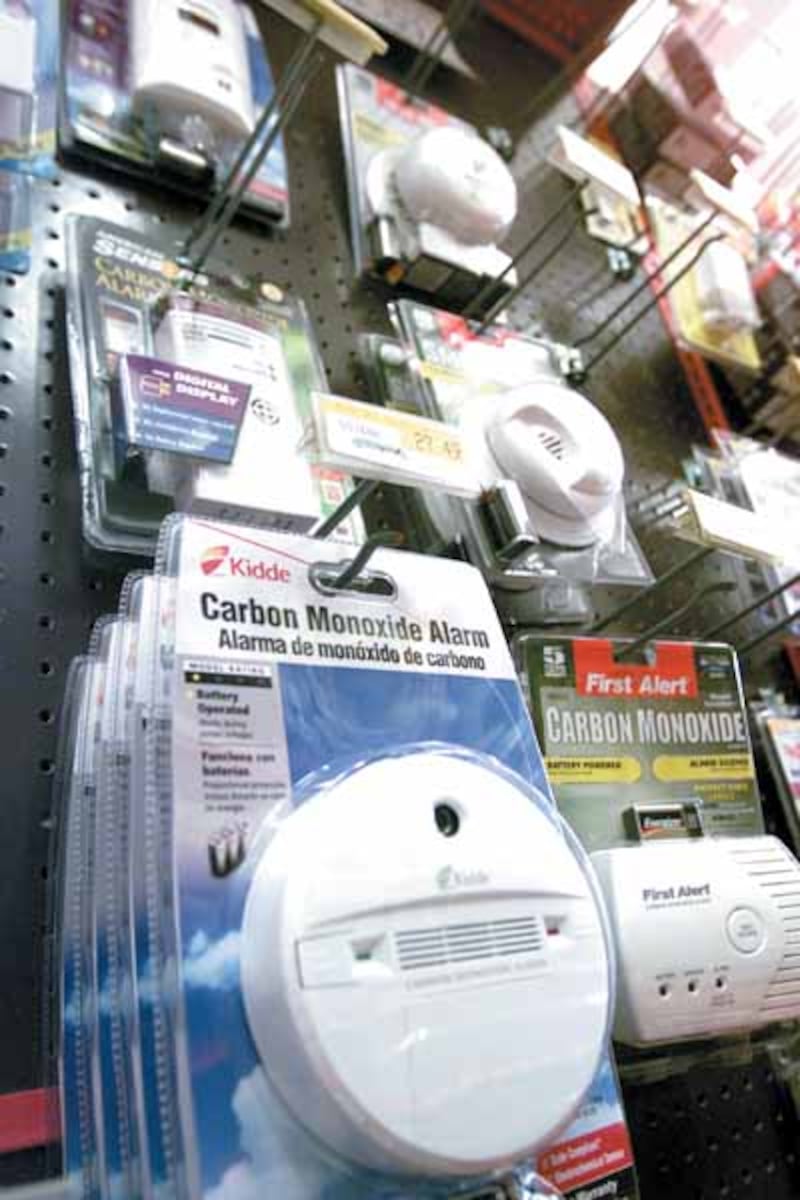
• encouraging use and maintenance of CO detectors
• encouraging regular inspections and maintenance of gas powered appliances and furnaces
• increasing cooperation with partner agencies to identify and address high-risk settings
• and promoting continued CO surveillance efforts and better reporting practices on the presence and use of detectors after exposures.