Every summer, Kendall County health officials monitor mosquitoes and ticks to track diseases before they become a serious public health problem.
The Kendall County Health Department conducts two separate surveillance programs for ticks and mosquitoes, both with the goal of collecting data, identifying and monitoring the risk of diseases and educating the public on how to protect themselves.
While the county’s mosquito surveillance programs focus on the West Nile virus, Aaron Rybski, environmental health services director for the Kendall County Health Department, said testing has found a large number of deer ticks collected in the area carry Lyme disease.
“I’ll say that most people don’t know that the ticks in this area carry Lyme disease, and we found approximately 40 to 50% of deer ticks in this area, based on the testing, are positive for Lyme. “ she said.
While West Nile virus remains a public health concern, Rybski said Lyme disease may be a greater health risk.
“So either way, if I had to, if I guess I would say ticks are less well known in terms of carrying Lyme disease, and I think Lyme disease is probably more of a concern than West Nile.” she said.
For mosquitoes, Kendall County’s primary area of concern is the West Nile virus.
:quality(70)/cloudfront-us-east-1.images.arcpublishing.com/shawmedia/KPHMRTROPBGVHMQUBRYXGTT2JA.jpg)
The monitoring program began in the early 2000s with a goal to figure out how the West Nile virus magnifies within the mosquito population as it fluctuates due to weather, changing of the seasons and other factors.
The heavy rains of the past few weeks provides the right conditions for the mosquito population to breed quickly and grow.
To collect mosquitoes, health officials place gravid traps throughout the county. The traps use a fermented mix of grass, water and rabbit pellets to lure female mosquitoes looking for a place to lay their eggs.
Once they are trapped, the mosquitoes are collected and tested for West Nile virus. During the summer, the traps are checked weekly from the middle of May up until the first hard frost, typically in October.
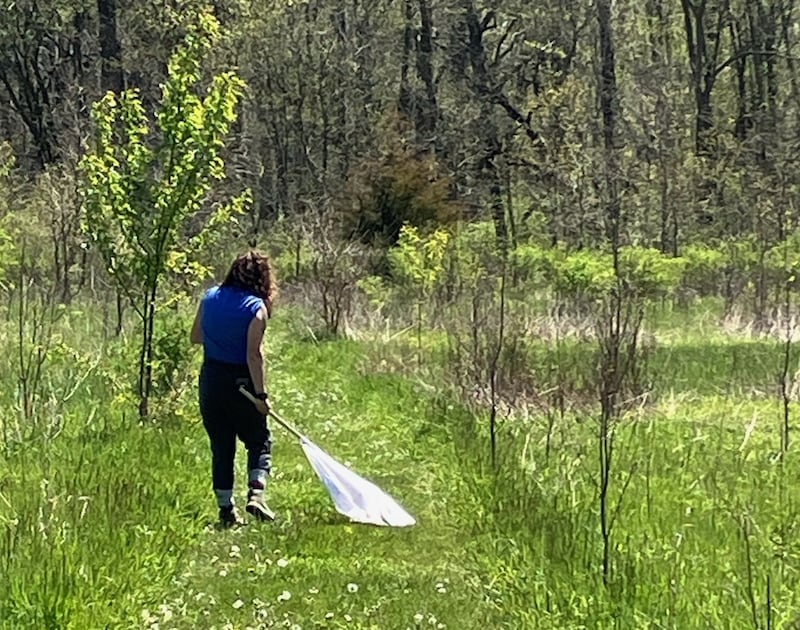
The tick surveillance program which began in 2016 runs differently. The program uses a technique called tick drag.
During a tick drag, health officials drag a wooden dowel with a white cloth attached through grassy and wooded areas. The ticks then mistake the fabric for an animal and attach themselves to it where they are collected and sent away to be tested.
Beyond surveillance, both programs focus on public education. The Kendall County Health Department shares information with residents, schools and local governments about tick and mosquito borne illnesses.
Protecting yourself from mosquito and tick-borne illnesses
Rybski recommends reducing the chances of mosquito breeding by eliminating undisturbed water around their home such as clearing gutters and emptying still water containers.
Rybski also recommends using DEET, an insect repellent, wearing protective clothing outdoors and performing tick checks after spending time in grassy wooded areas.
Preventing mosquito spread
The Will County Health Department suggests taking these measures to curb the mosquito population.
- Check your property and remove or empty water in old tires, tin cans, buckets, drums, bottles or other places where mosquitoes might breed.
- Be sure to check clogged gutters and flat roofs that may have poor drainage.
- Empty plastic wading pools at least once a week and store indoors when not in use.
- Unused swimming pools should be covered or drained during the mosquito season.
- Change the water in bird baths and plant pots or drip trays at least once each week.