When we are looking to add temporary color to beds, borders, containers, or hanging baskets, we often look to bedding plants.
The color may come from continuous booms or from distinct foliage.
Bedding plants are typically annuals – plants that complete their lifecycle in one season – but may include biennials, which are plants that complete growth in two seasons, as well as perennials, which are long-lived plants.
Bedding plants are often classified by how tolerant they are to cold temperatures. Like vegetables that can be cold-hearty, such as peas, or heat-lovers, like peppers, decorative plants also have differing temperature needs. By taking advantage of these temperature differences, you can extend the color in your garden as long as possible in our northern climate.
Hearty annuals
Hearty annuals can tolerate cooler air and soil as well as light frosts without being damaged. About four weeks before the last frost date, sow the seeds directly into the ground or plant young seedlings.
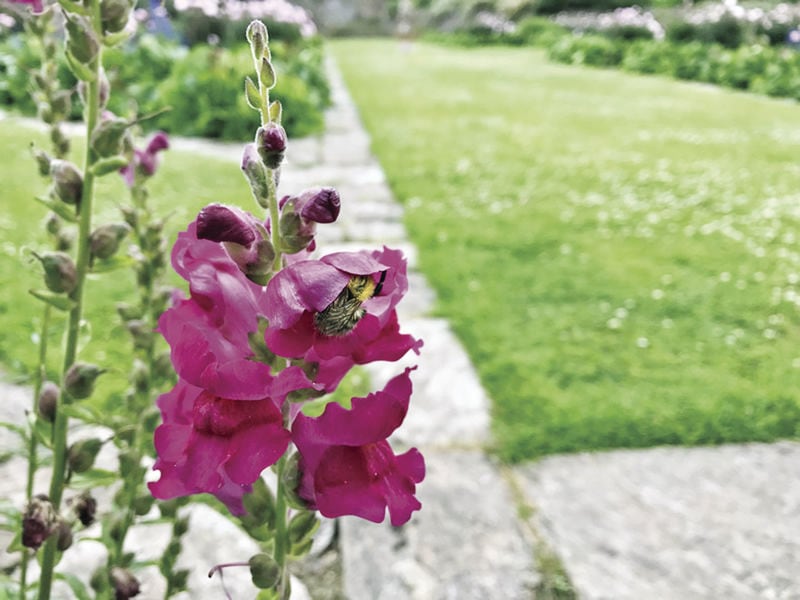
Flowering hearty annuals include candytuft, larkspur, pansy, pot marigold, snapdragon, and sweet alyssum.
Foliage examples include dusty miller, ornamental cabbage and kale (biennial grown as annual).
:quality(70)/cloudfront-us-east-1.images.arcpublishing.com/shawmedia/HLO3EAB2AC5KTH6WFK35GSIF5A.jpg)
Hearty biennials
Since biennials will bloom in their second year, plant biennial seedlings six to eight weeks before the first frost in fall. This gives them time to grow leaves before they go dormant in the winter. They will bloom the following spring.
Examples of flowering biennials include American bellflower, alpine poppy, foxglove, and hollyhock.
Half-hearty annuals
Half-hearty annual plants can tolerate cool air and soil but are damaged by frost. About two weeks before the last frost date, plant young seedlings you’ve purchased or started, as they are not usually planted from seed directly outdoors.
Flowering examples are ageratum, cosmos, dianthus, lobelia, and petunias.
:quality(70)/cloudfront-us-east-1.images.arcpublishing.com/shawmedia/WYD3QHBMMAYNULDRKYM72GKGGQ.jpg)
Tender annuals
These plants need both warm soil and air, and do not tolerate any frost. They are best planted a few weeks after the frost-free date.
Flowering examples are floss flower, annual salvia, marigold (African, French, and signet), New Guinea impatiens, and zinnia.
Tender perennials used as annuals
These plants are perennials in warmer growing zones, but when planted in cooler zones, are killed by frost. You can save them by digging them up and bringing them indoors over the winter.
Flowering examples are begonia, flowering tobacco, garden impatiens, geranium, lantana, lobelia, salvia, tropical hibiscus
Foliage examples are coleus, spider plants, and rex begonia.
Annuals that act like perennials
There are many annuals that may act like perennials because of the large number of seeds that they make and drop throughout their lifespan.
The seeds of these plants are not killed by our northern winters and will sprout and grow the following spring in the area where the original annuals grew. With little care, this can create a flower bed that comes back every year.
Flowering examples are amaranth, borage, cleome, cosmos, snapdragon.
By knowing the temperature tolerances of bedding plants, you can have continuous color in your garden from spring through fall. For more information, check out https://extension.illinois.edu/flowers.
Sue Styer is a certified master gardener and master naturalist volunteer with University of Illinois Extension serving DuPage, Kane, and Kendall counties.