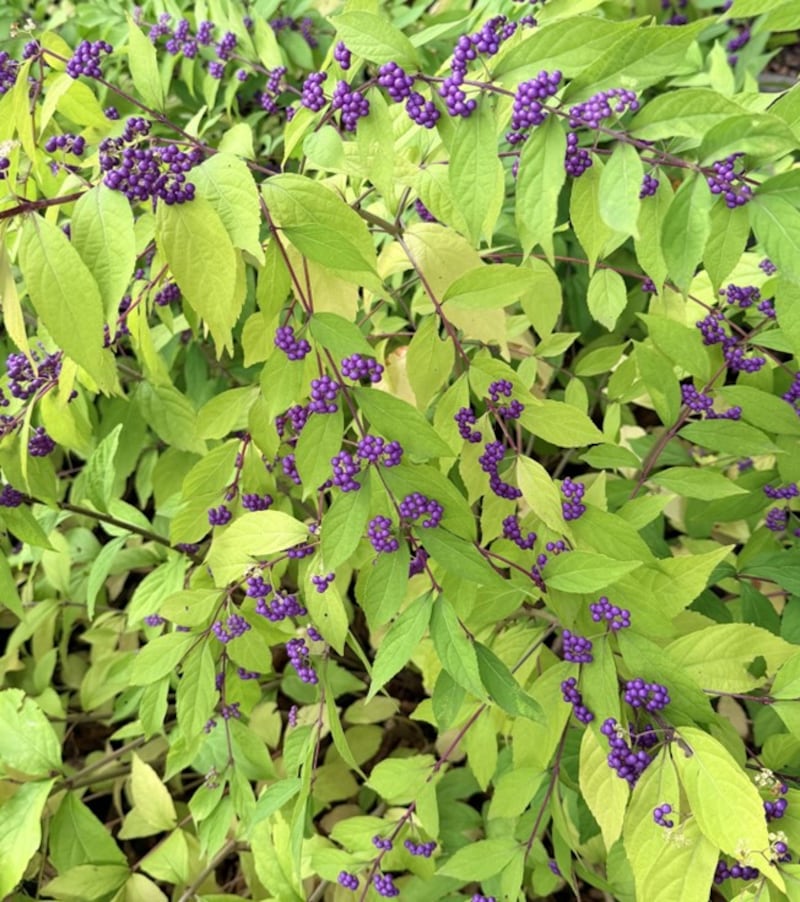
Native shrubs can be a great alternative when planting trees isn’t an option, bringing structure and beauty to your outdoor space. Certain winter plants boast striking berries that last throughout the winter, adding visual interest and offering a source of food for birds and wildlife.
Shrubs with colorful stems, interesting seed pods or textured bark can also add depth and create a stunning winter display.
Why use native shrubs
In the Midwest, a plant species is classified as native if it grew here before the arrival of European settlers. Native shrubs are a vital part of the rich and complex relationships among plants, animals, insects, and microorganisms in natural ecosystems like woodlands, prairies and wetlands.
Using native plants in your landscape is a great way to restore natural diversity and maintain habitats for wildlife and beneficial insects. Plus, they are easy to grow and once established, need less maintenance.
Discover some noteworthy choices
• Cornus stolonifera Red-Osier Dogwood – Has beautiful vibrant red stems that add a striking pop of color, especially in snowy landscapes. It thrives in full sun to part shade. While pruning isn’t necessary, removing 20% to 25% of the oldest stems in early spring of each year stimulates new growth, resulting in stems which display the most vivid red color. These shrubs are visually appealing when planted in large groups and really stand out when combined with evergreens.
• Physocarpus opulifolius Common Ninebark – A tough, native shrub that features pinkish-white flower clusters in late spring, persistent seed capsules and exfoliating bark, making it a visually appealing addition to any garden. For older shrubs renewal pruning can be done by cutting them to the ground in winter.
• Callicarpa americana American Beautyberry – Produces clusters of light pink to purple tinged flowers. These flowers develop into bright, violet to magenta berries in the fall. The showy berries persist through the winter, and are enjoyed by birds, squirrels, and other wildlife. For optimal fruiting, plant in full sun.
• Ilex verticillata Winterberry – This is a deciduous holly that requires both male and female shrubs for successful reproduction. Winterberries are dioecious, only fertilized female flowers will produce the distinctive bright red berries that persist throughout the winter and are the signature feature of this plant. It’s advisable to purchase these shrubs from a knowledgeable nursery.
Winter gardens often feel like forgotten landscapes, bare and silent under the snow. But they don’t have to be. With the right native shrubs, your outdoor space can be a haven of unexpected beauty.
Learn more about native shrubs on the Illinois Pollinators page at go.illinois.edu/NativeShrubIdeas, as well as through www.chicagobotanic.org and mortonarb.org.
References
· The Morton Arboretum. “Trees and Plants.” https://mortonarb.org/plant-and-protect/trees-and-plants. (Accessed Jan. 20 2026)
· Chicago Botanic Garden. “Plant Profiles.” https://www.chicagobotanic.org/plant-information/plant-profiles. (Accessed Jan. 21 2026)
• Trica Barron-Boyd is a certified master gardener volunteer with University of Illinois Extension serving DuPage, Kane and Kendall counties.