Native plants not only help support pollinators but also filter out pollutants, help build healthy soils, and mitigate flooding. Did you know some native plants are considered absolutely vital to their ecosystem?
These are called keystone species, and they lay the foundation of the food web in their region. Northern Illinois is part of Eastern Temperate Forests – Ecoregion 8, as designated by the US EPA. Let’s take a deeper look at a few of the most important keystone plants of our ecoregion.
Oak (Quercus)
Illinois has 21 native oak species. They are absolutely crucial to maintaining the ecosystem. They support the health of the environment in many ways, including noise reduction, natural cooling and shade, carbon sequestering, and providing shelter to numerous species.
Oaks support the most butterfly and moth species, serving as host plants to 456 species in our area. A mature oak can have more than 700,000 leaves per season, providing a lot of habitat for the base of the food web including caterpillars, spiders, beetles and other insects.
Wild Cherry (Prunus)
Wild cherry, chokecherry and wild plum are hearty trees that also support a great number of species. They serve as host plants to 345 species of butterflies and moths.
They also serve as a very important resource of nectar and pollen to early spring pollinators and migrating birds, such as Cape May Warblers and Tennessee Warblers.
Willow (Salix)
Willow trees grow fast and tall. They propagate quickly from cuttings and help stabilize soils and riverbanks, preventing erosion and filtering out pollutants.
They are host plants for 299 butterfly and moth species, as well as supporting 20 species of pollen specialist bees.
:quality(70)/cloudfront-us-east-1.images.arcpublishing.com/shawmedia/3IXYF4LMAWMNG5OXZAZY6IVWI4.jpg)
Birch (Betula)
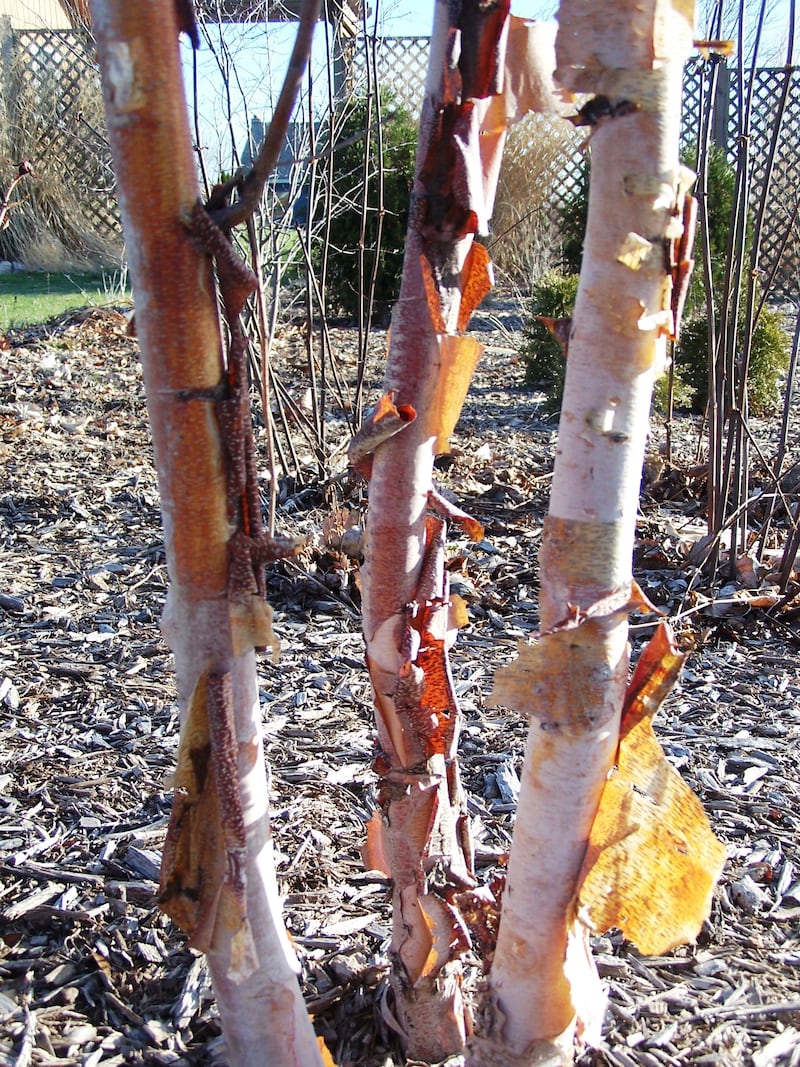
Birch trees are known for being pioneer species, helping to regenerate woodlands in disturbed areas. They provide some critical early spring resources, including catkins, or tree flowers, and seeds that provide food for squirrels and birds.
Their sweet sap also attracts insects and Yellow-bellied Sapsuckers. They are a host plant for 274 butterfly and moth species.
Goldenrod (Solidago)
The bright yellow blooms of goldenrod do a lot more than just provide a gorgeous glow of autumn. These plants provide support to a wide variety of insect biodiversity as a hub of nectar and high-quality pollen. They are a super hero of nutrients, supporting 57 pollen specialist bees, and serving as host plants for 112 butterfly and moth species.
Aster (Asteraceae)
There are more than 250 native species of aster! You can’t go wrong incorporating this amazing plant in your garden. They provide critical late-season buffet of nectar and pollen for insects and birds. They support 33 species of pollen specialist bees, and 100 species of caterpillars as a host plant.
Incorporating any of these keystone species into your growing spaces is a great way to give back to nature. Incorporate them into a rain garden, create a rock garden or add native plants to container gardens. They will improve water quality, build healthy soils and support pollinators.
If you would like to learn more, visit us online at go.illinois.edu/extensiondkk or check us out on Facebook at facebook.com/extensiondkk.
Get outside and have a great weekend!
Resources: https://www.nwf.org/-/media/Documents/PDFs/Garden-for-Wildlife/Keystone-Plants/NWF-GFW-keystone-plant-list-ecoregion-8-eastern-temperate-forests.pdf
https://homegrownnationalpark.org/keystone-plants/
https://natureinmybackyard.clevelandaudubon.org/wp-content/uploads/2025/04/keystones.pdf
https://sagmoraine.org/keystone/
https://publish.illinois.edu/inhseducation/biodiversity/habitats/ https://www.pollinatorsnativeplants.com/