When many travelers set out on Route 66, visions of diners, neon signs and quirky roadside attractions often come to mind. Yet as you follow The First Hundred Miles of the Mother Road southwest from Chicago, another kind of beauty unfolds alongside the historic asphalt: verdant prairie grasses, winding rivers, quiet wetlands and parks that invite visitors to step out of the car and truly connect with the landscape that defined Illinois as “The Prairie State.” Join us as we explore just a few of The Mother Road’s serene spaces for outdoor recreation.
Just a short detour from the Route 66 corridor near Lemont is Waterfall Glen Forest Preserve (I‑55 & Lemont Road, Lemont), a beloved natural escape with more than 11 miles of winding trails that cater to all kinds of outdoor enthusiasts. Whether you prefer hiking, cycling, horseback riding or simply wandering shaded paths, Waterfall Glen delivers scenic variety with meadows, forested corridors and small, tiered waterfalls that cascade through the preserve’s varied terrain. Dog‑friendly picnic areas and a fishing pond make it a natural stop for families or road trippers with furry companions, while birders will find delight in the more than 700 documented native plant species and scores of migratory birds that visit each year, turning the preserve into a seasonal wildlife spectacle.
Adventure seekers can dial up the thrill factor at The Forge: Lemont Quarries (1001 Main St., Lemont), a dramatic transformation of industrial quarries into an outdoor recreation playground. Built around rugged rock faces and water features, this destination caters to all ages with ropes courses, mountain biking trails, climbing walls and ziplines that sweep over quarry ponds and wooded landscape. For those who’d rather take in the scenery at a leisurely pace, outdoor dining and picnic spaces offer a place to relax, catch some live music or seasonal entertainment and take in this unique outdoor space repurposed in bold new ways.
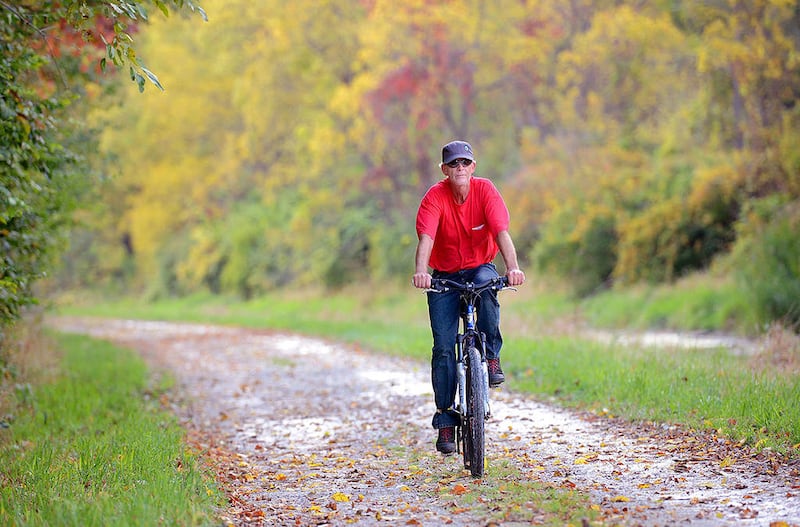
While much of Route 66 is about where the road is heading, part of its magic is remembering where it came from. The I&M Canal State Trail (access at Huse Lake near Joliet Street & Route 351) traces a 79‑mile route along the historic Illinois & Michigan Canal, a precursor to the highway itself. In the mid‑19th century this waterway was one of the state’s most important transportation corridors for goods and passengers before the age of railroads. Today the canal’s towpaths have been repurposed into a celebrated outdoor recreation corridor where cyclists, hikers, birders and anglers can enjoy scenic stretches of water, wildlife‑rich wetlands, and winter activities like snowmobiling or cross‑country skiing when conditions permit.
Not far from the trail, the expansive Lake Renwick Preserve (15425 Joliet Road, Plainfield) sits quietly just a few blocks from Historic Route 66 and the bustle of Plainfield’s downtown. At its heart is a sprawling 200‑acre lake framed by wetlands and marsh habitat, a magnet for bird life that draws birders from across the region. During spring and summer, great blue herons, great egrets, and cormorants fill the skies and shoreline, while bald eagles and American white pelicans can be spotted in migration seasons. Although access to the adjacent Heron Rookery Nature Preserve is seasonally restricted to protect nesting birds, Lake Renwick’s Copley Nature Park and Turtle Lake access areas remain open year‑round, offering paved paths, panoramic views, and quiet corners for reflection or photography whatever the season.
Further southwest on Old Route 66 in Shorewood lies Hammel Woods (554 Brook Forest Ave., Shorewood), a riparian playground where the DuPage River threads through wooded glades and open spaces. Here, visitors can tube or paddle gently downstream in canoes and kayaks, run or walk the 1.6 miles of natural surface trails, or simply settle in for a picnic beside whispering water. Beyond water activities, Hammel Woods offers opportunities for hiking, cycling, in‑line skating, fishing and even winter skiing when weather allows, making it a year‑round option for exploring the outdoors. Covered shelters along shaded paths provide respite on sunny days and are available on a first‑come, first‑served basis, adding to the park’s relaxed, welcoming vibe.
As you continue toward Wilmington and beyond, the landscape opens into broader prairie and water vistas that define this part of central Illinois. The Des Plaines Dolomite Prairies Land and Water Reserve (24621 N. River Road, Wilmington) is a sprawling outdoor complex of more than 5,000 acres of mixed habitat, including woodlands, grasslands, and extensive water bodies. This reserve is a favorite for outdoor sports like horseback riding, boating, jet skiing and fishing, as well as more traditional pursuits like skeet shooting, archery and camping. With plenty of room to roam and a diversity of natural settings to explore, it is an ideal place for families or hunters and anglers with the appropriate licenses seeking wide‑open space.
Just North of Wilmington, Midewin National Tallgrass Prairie (30239 S. Route 53, Wilmington) holds a special place in both the natural and cultural history of the region. Recognized as the largest prairie restoration site east of the Mississippi River and the biggest open space in Illinois, this U.S. National Grassland has been intentionally restored to reflect the tallgrass ecosystem that once blanketed the Midwest. Managed by the U.S. Forest Service, Midewin welcomes visitors to stroll its broad grassland trails, watch for native wildlife, and learn about prairie ecology. Bison were reintroduced here in 2015, and while sightings of these majestic animals are not guaranteed, the chance to see them grazing on wild grasses harkens back to a time when such herds were common across the continent.
Finally, the Mazonia‑Braidwood State Fish and Wildlife Area (Route 53 & E. Huston Road, Braceville/Braidwood) caps the outdoor experience with an extraordinary connection to deep time. This rugged landscape of sedimentary rock and coal basin outcrops is world‑renowned for fossil hunting, particularly in the large Pit 11 area where enthusiasts have uncovered ancient marine fossils including jellyfish, worms, and the enigmatic Tully Monster. Open from early spring through fall, the site offers visitors the chance to wander rocky terrain with a permit in hand and collect reminders of ecosystems that existed hundreds of millions of years before Route 66 was ever imagined. For more information on how to hunt for fossils, visit dnr.illinois.gov/parks/park.mazonia-braidwood.html