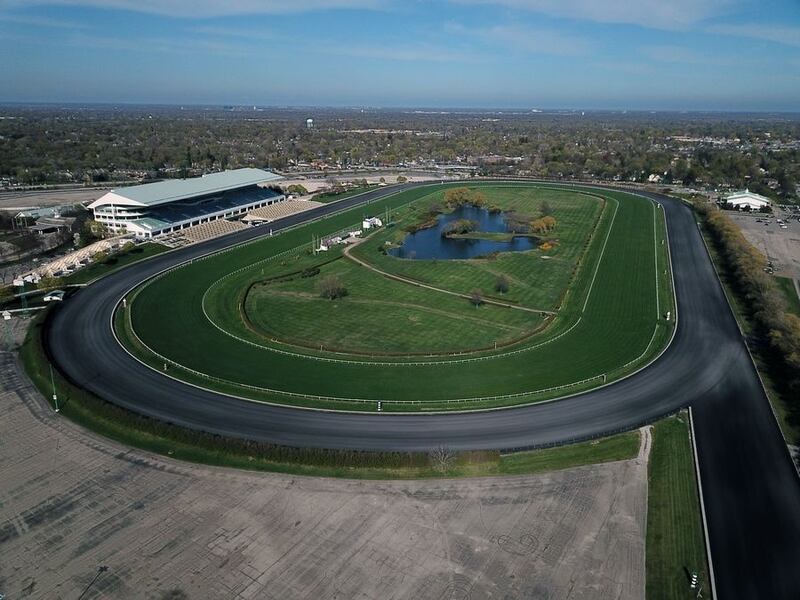
If the Chicago Bears’ stadium saga feels endless, it’s because it is. Years of proposals, renderings, news conferences and open letters have produced exactly one consistent result: nothing.
Wednesday’s open letter from Bears president and CEO Kevin Warren was meant to reassure fans that progress is being made. Instead, it underscored the core problem: there are no good actors here, just a long-running failure of leadership and coordination.
The Bears want a new stadium, but they appear perpetually unprepared to navigate the political realities of Illinois. Stadium deals don’t happen on vibes and glossy drawings. They happen through disciplined coalition-building, legislative fluency and an understanding that public skepticism is earned, not an obstacle to be bulldozed. On that front, the Bears have spent years talking past lawmakers rather than working with them.
At the same time, Springfield has shown little urgency or clarity. Even when a workable framework emerges, like legislation that would allow local taxing bodies to negotiate incentives and protect taxpayers, it gets swallowed by delay, distrust and institutional inertia. Illinois has a remarkable ability to turn big ideas into procedural stalemates.
And hovering above it all is the governor, largely absent from a project that would reshape the state’s economic and cultural landscape. Like it or not, major undertakings in Illinois don’t move without executive leadership. If this stadium matters to jobs, infrastructure and regional growth, then it deserves attention commensurate with its scale.
None of this means taxpayers should foot the bill. They shouldn’t. But it does mean that adults need to be in the room, committed to solving problems rather than protecting turf.
A Bears stadium in the suburbs should not be this hard. Other states manage it. Other regions do it without public meltdowns or endless finger-pointing. Illinois, once again, is tripping over itself.
Everyone involved needs to get out of their own way. The Bears need to learn how this state works. Lawmakers need to decide whether they want economic development or an endless process. And the governor needs to lead.
Until then, fans are left with letters instead of results and a familiar refrain.
Until leadership replaces posturing, this project will remain exactly what it has been for years: all talk, no progress.