Over the past year, few issues have sparked as much debate as the use of food benefits under the Supplemental Nutrition Assistance Program, or SNAP. At the center of that debate is a simple but important question: What should taxpayer-funded food assistance be allowed to purchase?
I strongly believe that Americans should have food security and personal dignity when it comes to feeding themselves and their families. Choice matters. But when those choices are funded by taxpayer dollars, there is also a responsibility to ensure public programs do not actively undermine public health. Junk food and sugary beverages should not be subsidized by a program designed to promote nutrition.
The U.S. Department of Health and Human Services has begun taking bold steps to confront the root causes of America’s chronic disease crisis. Under Health Secretary Robert F. Kennedy Jr., the department has prioritized reforming food and health systems as part of the broader Make America Healthy Again (MAHA) initiative. One of the most significant proposed reforms is to limit SNAP purchases of junk food.
As Secretary Kennedy stated last December, “We cannot continue a system that forces taxpayers to fund programs that make people sick and then pay a second time to treat the illnesses those very programs help create.” That statement captures the problem perfectly.
Illinois, like much of the country, is grappling with rising rates of obesity, diabetes, and heart disease. These conditions often and disproportionately affect low-income communities, where SNAP usage is higher. Allowing taxpayer-funded benefits to be spent on products that directly contribute to poor health outcomes only perpetuates a cycle of unhealthy diets, preventable illness, and costly medical care. To continue that cycle is irresponsible.
But let’s be clear about what this debate is not. Reforming SNAP product eligibility is not about shaming recipients or denying assistance. It is about aligning the program with its stated purpose: nutrition. SNAP already restricts what can be purchased. Expanding those guardrails to exclude junk food is a common-sense step that puts health first.
Illinois also would not be acting alone. More than 18 states have embraced reforms aligned with the Make America Healthy Again movement, including nearby Missouri, Iowa, and Indiana. These states have taken steps to restrict the purchase of soda, candy, and energy drinks with SNAP benefits. Iowa’s governor, Kim Reynolds, has been especially clear, arguing that public assistance should promote “holistic well-being”, not just cash access.
The health data underscores why this matters. The Department of Health and Human Services reports that 6 in 10 Americans live with at least one chronic disease, and a Commonwealth Fund survey found that adults in the United States are more likely than their peers in other developed countries to suffer from multiple chronic conditions. HHS also notes that 40 percent of Americans are diabetic or prediabetic. Meanwhile, the average obesity rate across peer nations is roughly 26 percent, according to international data. These are not normal outcomes for a wealthy, developed country.
The evidence is clear. America’s chronic disease crisis stands apart from that of other developed nations, and diet plays a central role. The modern American diet is dominated by ultra-processed foods, added sugars, and refined carbohydrates, all strongly linked to diabetes, heart disease and obesity. When government programs subsidize these products, we are not addressing hunger. We are fueling long-term health problems and higher health care costs.
Illinois has an opportunity to lead by prioritizing reforms that improve health outcomes rather than perpetuate preventable illness. With healthcare costs already straining state budgets and working families alike, aligning SNAP with its nutritional purpose is a practical step toward improving public health while protecting taxpayers across our state.
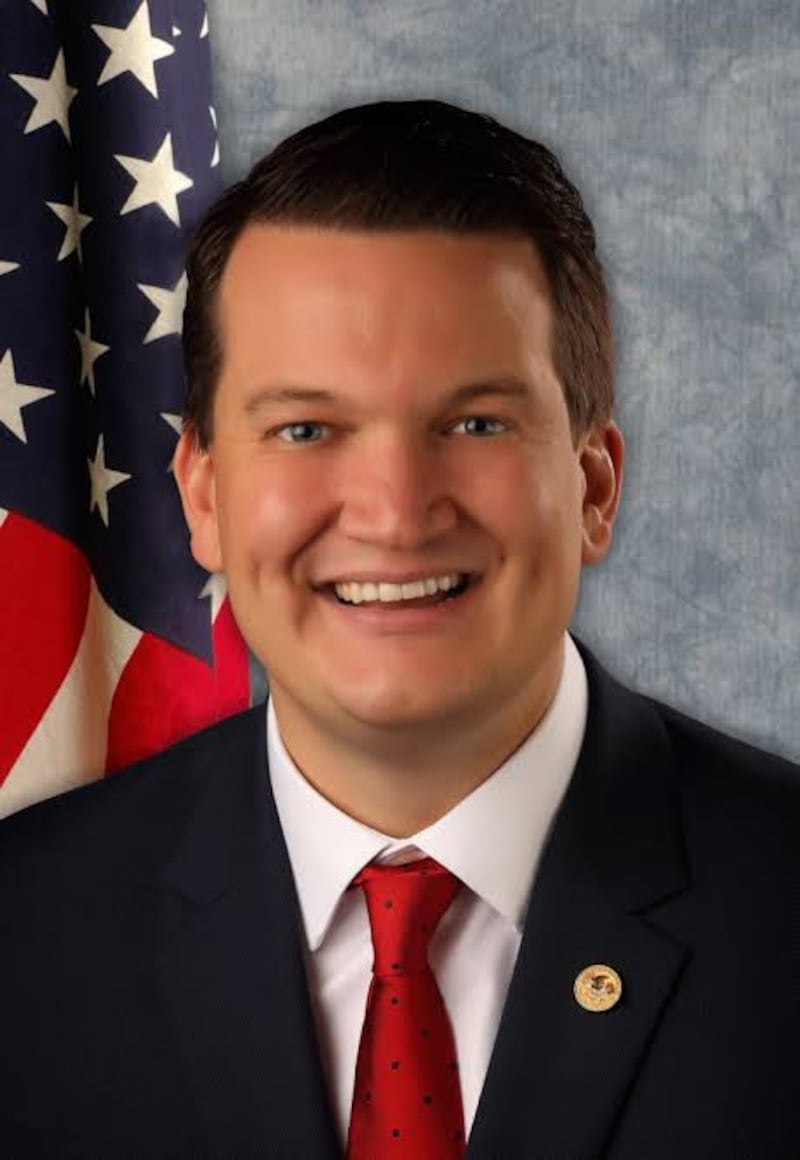
Andrew Chesney, R-Freeport, is the Illinois state senator for the 45th District.