Two McHenry County-based groups that works directly with area veterans were awarded grants this week to help in that work, thanks to the Illinois Lottery.
The Illinois Department of Veterans Affairs announced almost $1 million in grants were awarded across the state this week “to support organizations providing vital services to veterans and their families across Illinois,” according to a department news release.
The Veterans Scratch-Off Lottery Ticket/Veterans’ Cash Grants are “a yearly competitive reimbursement grant offered quarterly to nonprofits, tax-exempt entities, and governmental organizations that assist veterans in need,” according to the release.
The grants, ranging from $25,000 to $100,000 annually, are funded through proceeds from the Illinois Lottery’s $5 7x Bingo Multiplier ticket.
One of those $100,000 grants went to Transitional Living Services, Inc., of McHenry. The program is operated by Crystal Lake-based Veterans Path to Hope. It offers a 20-bed transitional housing program in Hebron, opened in 2001, as well as case management and financial assistance to secure permanent housing and job placement for veterans.
It also is celebrating 30 years of providing services to homeless veterans. Alan Belcher, a Vietnam War combat veteran and licensed counselor, founded the program in 1996, according to Shaw Local archives.
Veterans Path to Hope serves veterans from Kenosha to Rockford and has satellite offices in Rockford and Woodstock, in addition to its Crystal Lake office.
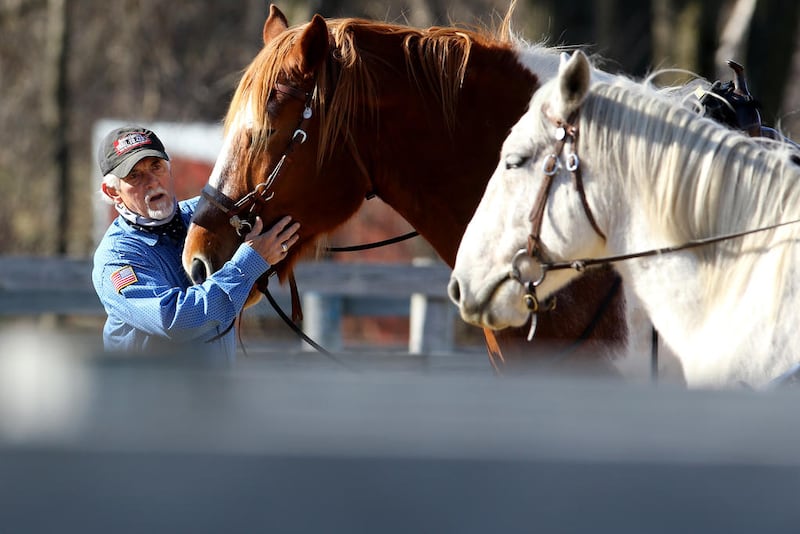
BraveHearts, with locations in Harvard, Poplar Grove and a new location in Rockford, provides equine-assisted therapy to veterans. That program received a $99,987.50 grant for its program that “provides horseback riding and horsemanship instruction to address therapeutic needs, including reducing PTSD symptoms and equine-assisted psychotherapy, led by licensed mental health professionals,” according to the release.
Last year, BraveHearts provided 11,223 hours of service to 1,191 veterans, said Jeanna Sorgani, the administrative director and a recreation therapist at the organization.
“All of our services are provided at no cost to veterans,” she said. “We subsidize that cost while still paying of the horses and overhead.”
Equine therapy, according to the release, can “improve veterans’ mental health, build trust and confidence, support community reintegration and reduce anxiety, depression, isolation and suicidal ideation.”
The Veterans Affairs grant is specifically for in-state veterans using both the horsemanship and mental health/therapeutic sides of the program, Sorgani said. The organization estimates 250 veterans will have 802 hours with the horses between the two programs.
In addition to therapeutic riding, the organization partners with other groups, including Marengo-based Oscar Mike and trail riding events, to draw attention to the prevalence of military suicide.
:quality(70)/s3.amazonaws.com/arc-authors/shawmedia/185fbfd8-8216-43d7-8beb-cd8992be6fe5.png)