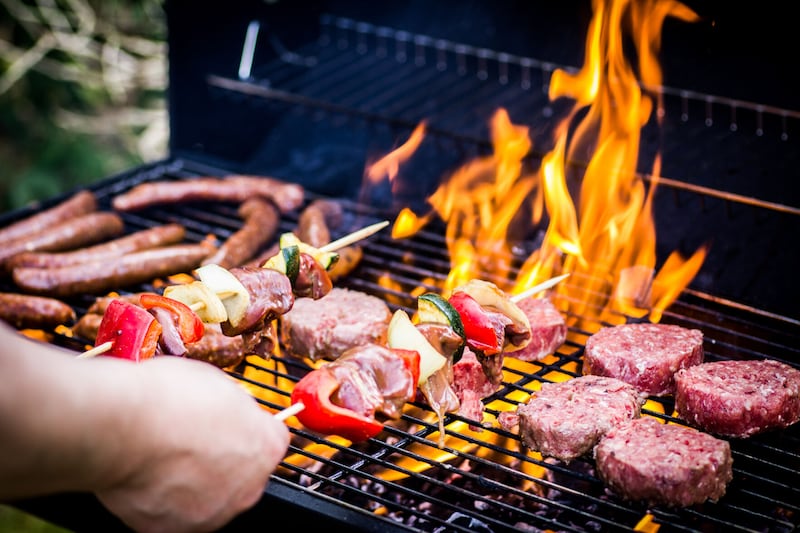
Memorial Day is often seen as the unofficial kickoff to summer, with cookouts and outdoor parties, but food safety needs to be at the forefront of any summer gathering, according to health experts.
Meat, poultry, and seafood should be kept cold until you’re ready to use them, according to the University of Illinois Extension.
Harmful bacteria that cause food-borne illnesses multiply quickly at room temperature, and setting out raw meat on the counter or in the sink allows bacteria to grow to dangerous levels, the Extension’s health and wellness team said. This risk increases in warmer weather.
Keeping hands clean is just as important when you’re cooking outdoors as it is in your kitchen.
“Foodborne illness doesn’t take a day off just because you’re grilling, camping, or tailgating. Make handwashing part of your outdoor cooking routine to keep everyone safe and enjoying the day,” the Kendall County Health Department said.
If you are going to be at a campground or park with no running water, create your own handwashing station with water bottles, antibacterial soap and paper towels, the health department said.
Pack hand sanitizer (at least 60% alcohol) for quick cleanups, and keep disinfecting wipes handy for surfaces and quick touch-ups.
:quality(70)/cloudfront-us-east-1.images.arcpublishing.com/shawmedia/R3KJL6KA5ZBPXB2MDW5G2AP2BI.jpg)
Designate a “clean zone” for prepping food, the health department said.
The Illinois Extension offers these guidelines for safe food prep.
Thawing
• Thaw food in the refrigerator. Depending on size, most items will defrost within 12–24 hours.
• Place items on a plate or shallow tray and store them on the lowest shelf to prevent juices from dripping onto other foods. This will help reduce the risk of contaminating other items in the refrigerator.
• If using the microwave to thaw foods, cook immediately afterward. Microwaves heat unevenly, which means parts of the food may start to cook while others simply warm. This uneven temperature can allow bacteria to multiply quickly if the food is not fully cooked immediately.
Marinating techniques
• Always marinate in the refrigerator. Leaving marinating foods at room temperature significantly increases the risk of bacterial growth.
• Marinating time. Most marinating recipes recommend a duration of six to 24 hours. Marinating for longer periods can cause the marinade to break down the meat fibers too much, resulting in a mushy texture.
• Important safety tip. Do not reuse marinade sauces that have been in contact with raw meat or poultry on cooked food unless it has been brought to a full boil first to kill any bacteria. If you want to use marinade for basting or as a sauce, set aside a portion before adding raw ingredients.
Cooking to safe temperatures
Don’t rely on color alone to judge doneness in meat or poultry, the Extension said. Meat can turn brown before it reaches a safe internal temperature.
“The only reliable way to ensure food is safely cooked is to use a food thermometer,” the Extension said.
Minimum safe internal temperatures:
• Beef, pork, veal, lamb (steaks, roasts, chops): 145°F (63°C), followed by a three-minute rest
• Ground meat (beef, pork, veal, lamb): 160°F (71°C)
• Poultry (all types, including ground): 165°F (74°C)
• Never partially grill meat or poultry with the intention to finish it later. This practice allows bacteria to thrive and significantly increases the risk of foodborne illness.
:quality(70)/author-service-images-prod-us-east-1.publishing.aws.arc.pub/shawmedia/8832388b-fc0a-47f3-aa56-fba06c9d2015.jpg)