With its current comprehensive plan dating back to 1997, it would be fair to say Kankakee is long overdue to develop an updated version.
While these development and planning documents are to updated every five years – or 10 years, at the most – the city has been relying on one written and adopted almost 30 years ago.
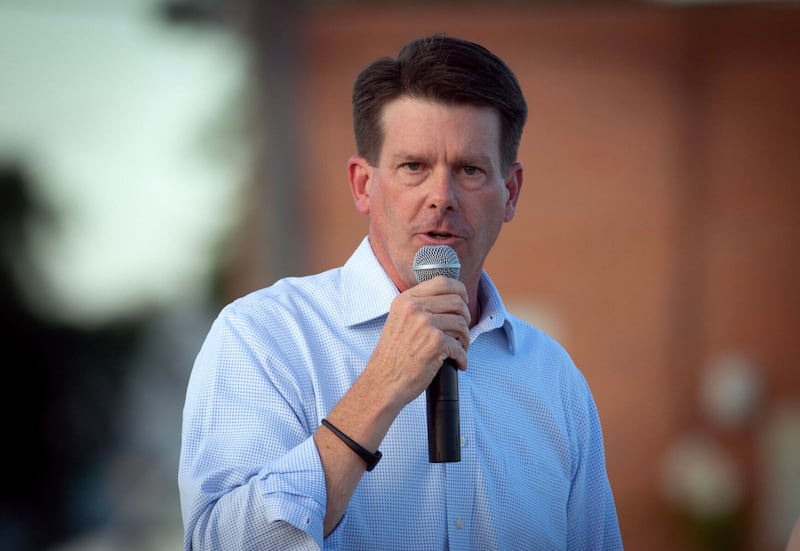
Mayor Chris Curtis said to say the document is in need of updating is an understatement during last week’s Kankakee City Council meeting.
A familiar face will be leading the effort for the new plan: Mike Hoffman, the former Kankakee planner consultant who retired from the city in 2024, has been brought back on board to lead the effort.
The council dedicated no more than $150,000 to develop the comprehensive plan. To pay for this task, the administration will pull money from its numerous Tax Increment Financing district accounts.
While the figure may sound expensive, Curtis noted an up-to-date plan is crucial when it comes to competition for planning and development state and federal grants.
The plan helps determine many things, including future land uses, open spaces, housing, and mobility.
Simply put, a current comprehensive plan helps a community determine its goals and objectives as it sets its course.
A current plan raises a score when battling against other applicants. Curtis noted at this time the city gets a zero in that area when funding requests are scored.
Funding applications can be in the tens of thousands of dollars or even higher.
Hoffman, vice president for the planning company, Teska Associates, of Evanston, served as Kankakee planning consultant from 2017 to 2024.
Upon his announcement to retire in early 2024, the city sought a new planner and hired Melissa King in July 2024.
Curtis relayed an experience he had at a recent municipal conference where the issue of a community’s comprehensive plan was being discussed.
The speaker asked mayors how dated their plans were. He asked if there were at least 5 years old.
Curtis said most hands were raised. The speaker asked if the planning document was at least 10 years old. The number of hands dropped significantly.
He then asked if any community had a plan document greater than 10 years of age. No hands went up. Curtis noted he was too embarrassed to raise his hand.
When the contract with Teska was brought to the council floor for consideration, Curtis said the city’s administrative team had been pushing him to get this matter addressed.
He explained he had delayed due to the cost of the process but realized this issue could not be pushed to the side any longer.
King said a current comprehensive plan aids a city in making decisions, as there is a roadmap regarding long-range planning.
A comprehensive plan, she said, should be a “living document.” This description means it changes over time as a community’s wants and needs change.
“This is something of a roadmap to the future,” she said.
Hoffman said a series of public meetings will be held as well as meetings with school officials, neighborhood organizations, and business leaders.
It is his goal to have the document ready for council approval by early September 2027.
:quality(70)/author-service-images-prod-us-east-1.publishing.aws.arc.pub/shawmedia/dfb924db-1795-46ea-afb4-ba3c95e55c46.jpg)