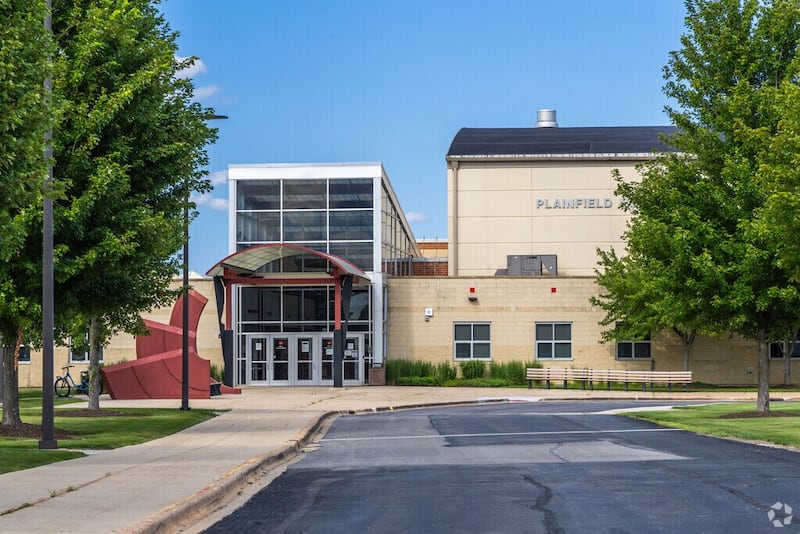
Plainfield School District 202 is facing a multi-million dollar decrease in state funding for the coming school year due to its reclassification from a Tier 1 to Tier 2 status district.
The district stated in a news release the shift, which is the result of a change in the state funding formula, will result in a reduction of about $7 million annually from the state, a decrease which the district says is likely to “compound funding challenges in future years.”
Illinois uses a four-tier system to prioritize funding. Tier 1 districts, which have the lowest local funding adequacy, receive the largest increases in state funding.
Shifting to Tier 2 means a district is deemed less “in need” than other districts, influencing the percentage of new state aid it receives.
As equalized assessed valuation increases, in general, districts move closer to adequate funding, according to the Illinois State Board of Education. That also is true when enrollment decreases.
The state’s recent changes in its funding formula have resulted in reduced funding for several suburban districts, including Oswego School District 308, and increasing funding to Chicago Public Schools.
As a result of these funding reductions, the Plainfield District 202 is currently evaluating cost-saving measures, including potential staff reductions and increased class sizes, which would be effective in fall.
:quality(70)/cloudfront-us-east-1.images.arcpublishing.com/shawmedia/4X2WL63Q6JBPZFW5QVZSXH5CII.jpeg)
Prior to the announced changes, District 202 said it had anticipated “only two years of modest budget shortfalls before returning to a balanced budget under current programing levels.”
The district operates with an annual budget of approximately $450 million.
The district said the budget is developed “using realistic forecasting methods designed to ensure fiscal accuracy and transparency” and “with the internal goal of staying within plus or minus 1 percent of budget projections.”
Staffing costs
At the end of the 2025-26 school year, the district said it was projected to end the year with higher than expected expenditures, primarily in the area of staff salaries and benefits.
The projected excess spending amounts to about $5 million, or approximately 1.6% of the total salary and benefits budget for the year.
The increased spending on staff was due to the district’s need to hire additional personnel starting in October, as well as a higher-than-usual number of staff members moving up on the district’s salary schedule, according to the district statement.
The district experienced higher than projected student enrollment and transfers this year, which necessitated the hiring of 20 additional certified staff members, 10 paraprofessionals, and one therapist beyond the projections established last summer when the budget was approved.
Additionally, the district reported that it needed to pay an additional $88,400 to existing teachers at the high schools who agreed to take on additional classes beyond their contracted workloads.
Beyond the unforeseen staffing increase, an unusually high number of staff members earned pay increases due to completing additional graduate coursework and professional development programs, which moved them up to higher salary lanes.
District 202 reported that “in a typical year, salary increases associated with lane advancements total approximately $200,000. This year, those increases reached almost $900,000, reflecting educators’ continued investment in professional qualifications and instructional expertise.”
These increases in staff costs are not directly related to the budget problems with tier changes, the district said, however, it has added to the overall budgetary strain.
Staffing and programing decisions to account for the new fiscal realities in the district have not been finalized for the 2026-2027 school year. Any tentative schedules teachers or students receive, could still be changed before the start of school in August.