Gov. JB Pritzker on Tuesday signed legislation that raises $1.5 billion to fill a fiscal hole for the Chicago area’s public transit agencies that was set to kick in next year.
Senate Bill 2111 doesn’t include any statewide tax increases but relies on increased sales tax in the Chicago area and a diversion of funds from the state’s Road Fund, Capitol News Illinois reported.
Reaction to the measure has drawn mixed reviews along not only party lines but regional ones as well, with lawmakers outside the Chicago area saying it will only bring in $129 million for transit agencies outside the suburban Chicago market.
:quality(70)/cloudfront-us-east-1.images.arcpublishing.com/shawmedia/BNIAQ7VI3JGNHHLKU2Y7VEMUQE.jpg)
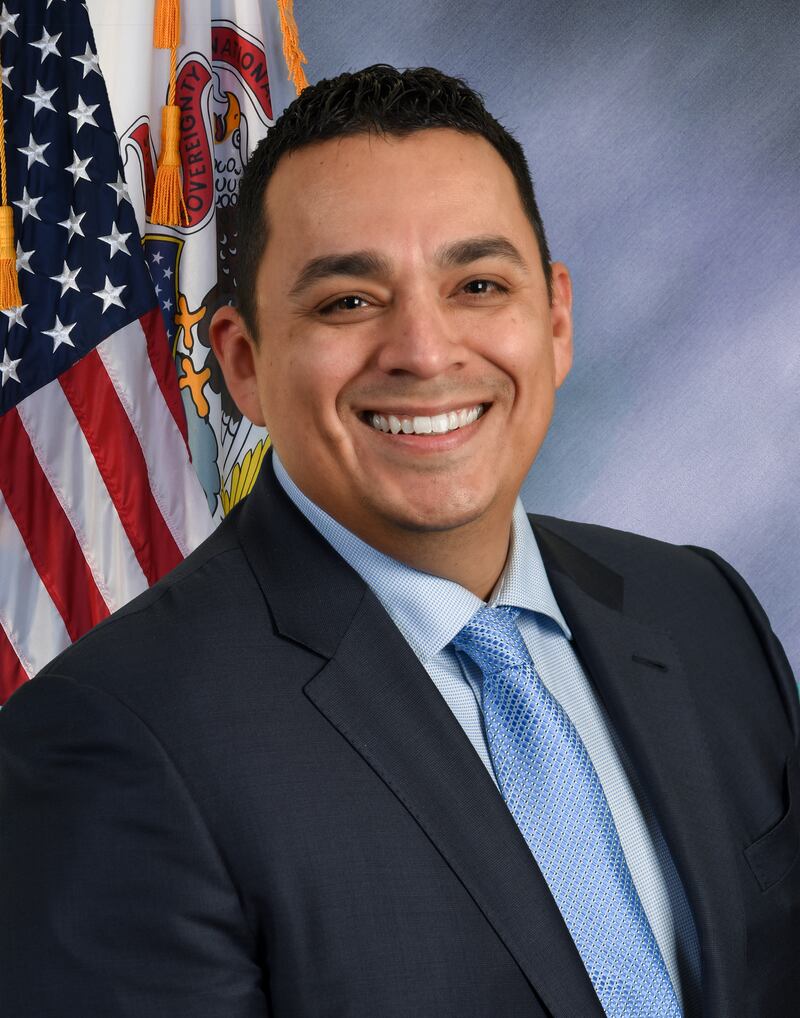
State Sen. Li Arellano Jr., R-Dixon, is among those against it, calling the legislation burdensome and unfair.
“This was a Chicago bailout written behind closed doors and passed while Illinoisans were asleep,” Arellano said. “Pritzker and his democratic allies robbed suburban and downstate families today, to cover up years of failure in Chicago.”
Arellano represents Illinois’ 37th Senate District, which includes all or parts of Bureau, DeKalb, Henry, La Salle, Lee, Marshall, Ogle, Peoria, Rock Island, Stark, Whiteside and Woodford counties. He said his concerns include:
• Approximately $550 million per year will be redirected away from funds traditionally used for local roads, bridges and transportation projects in rural and suburban Illinois and sent to Chicago.
• $80 million is diverted directly from the State Road Fund to support Chicago’s transit system.
• The legislation authorizes a 45-cent toll increase per vehicle, increasing costs for commuters statewide and disproportionately impacting drivers in districts with longer tollway stretches.
• The bill was passed during a veto session at 3 a.m., limiting public awareness and media scrutiny at the time of the vote.
“This transit legislation was the ultimate betrayal of residents in the 37th District,” Arellano said. “Families and commuters here drive some of the longest stretches of tollway in the state, meaning they will pay more than almost anyone else. While our communities lose critical funding, Chicago gets another bailout.”
Legislators in the suburban area were split, with Republicans opposing the bill and Democrats backing it.
“We’re creating a better public transit system that is financially accountable to taxpayers,” state Rep. Stephanie Kifowit, D-Oswego, said. “These are necessary reforms that will strengthen transit agency operations, improve paratransit for individuals with disabilities and is helping meet the demands of local commuters for years to come. I’m looking forward to these needed changes.”
She called the law a “transformational package of reforms” that brings Pace, CTA and Metra together into “one modern, efficient system. The new Northern Illinois Transit Authority (NITA) is a major step toward a transit system that gets people where they need to go affordably, protects taxpayers and offers a better experience for riders and workers.”
:quality(70)/cloudfront-us-east-1.images.arcpublishing.com/shawmedia/CQ3PIYT4MBMOXAIXMBIEHC4VY4.jpg)
By contrast, Republican State Sen. Sue Rezin of Morris said Senate Bill 2111 redirects funding away from downstate roads and infrastructure and raises taxes in suburban communities “to bail out Chicago’s failing transit system.”
“I am deeply disappointed by Governor Pritzker’s decision to sign Senate Bill 2111 into law,” she said. “This legislation takes hundreds of millions of dollars meant for downstate roads and bridges and redirects it to bail out Chicago’s failing transit system, while suburban families are hit with higher taxes to cover the cost.”
Likewise, Sen. Darby Hills, R-Barrington Hills, who voted against the bill, said suburban families are being hit with higher taxes and toll hikes, “this time to bail out Mayor Brandon Johnson and the CTA. Families are already struggling under the rising cost of everyday life, and this law makes it even harder to afford the daily necessities they rely on.”
“On top of that, the law hands greater control of our transit system to a Chicago-dominated board that is not accountable to our communities, leaving us to pay more while having less say,” he said in a written statement.
The new law takes money away from regions outside the Chicago area, funds that could be used to improve local infrastructure needs, he said.
The law sends funds north “even though many of these families will never use Chicago’s buses or trains. Downstate communities rely on those funds to maintain safe roads, support local economies and keep people connected,” Hills said. “Illinois families deserve better than another tax-and-spend plan that puts Chicago first and leaves the rest of the state behind.”
The Regional Transportation Authority, Chicago Transit Agency, Metra commuter rail and Pace Suburban Bus collectively faced a $230 million funding shortfall in 2026.
Capitol News Illinois reported the funding deficit was projected to grow to $834 million in 2027 and $937 million in 2028.
Without action in Springfield to plug that gap, the transit agencies said they could have been forced to cut services by 40%, Capitol News Illinois reported.
The transit agencies have approved 2026 budgets without fare hikes or service cuts.
:quality(70)/author-service-images-prod-us-east-1.publishing.aws.arc.pub/shawmedia/8832388b-fc0a-47f3-aa56-fba06c9d2015.jpg)
:quality(70)/s3.amazonaws.com/arc-authors/shawmedia/9bb5f897-be4a-42b8-9507-9193a7f43c2d.png)