The city of Rochelle wants the Prairie State power plant in Marissa, Illinois, to remain open after 2035, until all bonds reach maturity in 2041. Gov. JB Pritzker does not.
In 2006, Gov. Rod Blagojevich heralded the construction of the Prairie State power plant as a means of ensuring affordable electricity for the future (Lincoln Daily News). Pritzker signed a bill in 2021 (Climate and Equitable Jobs Act 102-0662) to close Illinois’ coal-fired power plants, particularly the Prairie State power plant, by 2035.
“Illinois can and must lead on clean energy,” Pritzker said to the Energy Legislative Working Group. Business groups say that “Lobbyists for the environmental community and many others appear to have had unfettered access in writing a bill that imposes massive costs on others.” (npr.illinois.org) European countries have been reopening shuttered coal-fired power plants to stave off an energy crisis over objections of environmentalists (Balkan Green Energy News).
Rochelle and other cities entered into long-term contracts (through 2041) to receive a given amount of electricity in exchange for helping finance the construction of the Prairie State power plant.
According to the former city manager of Rochelle, a benefit of the contract has been that it keeps electricity rates predictable. Since the city borrowed the funds to help finance the construction, a 2035 closure means the city is on the hook financially for repaying the bonds they issued for their share of the financing until the end of the term of the loan, i.e. for another six years.
The result would be a significant increase in electrical rates, since the city would not benefit from agreed-upon low electric rates, would still have to pay on the bonds, and would have to pay another supplier of electricity. Closing the Prairie State power plant will also expose the city of Rochelle to the unpredictable wholesale market, with the potential for skyrocketing costs.
According to the Sierra Club, environmentalists want to eliminate coal-fired power plants because they emit carbon dioxide. The concern is that CO2 is a greenhouse gas causing global warming.
In 2007, the U.S. Supreme Court ruled that CO2 is a pollutant under the Clean Air Act. However, some scientific studies consider CO2 to be naturally occurring and not a pollutant (Heartland Institute). Some natural sources include decomposition, ocean release and respiration from animals and humans. Plants absorb CO2 and liberate oxygen through photosynthesis. Man-made sources mostly come from burning fossil fuels. The U.S. transportation sector (fossil-fuel-powered vehicles) is the largest source of greenhouse gas emissions in the country, accounting for about 39% of total U.S. energy-related CO2 emissions in 2023, according to the U.S. Energy Information Administration.
Coal-fired power plants have been put on the chopping block in Illinois by the governor and the previous federal administration in an effort to eliminate CO2 emissions. Late last year, three state agencies predicted an electricity shortage would hit northern Illinois by 2029 and downstate by 2031 if nothing is done (Capitol News Illinois).
The Department of Energy has reversed the previous administration’s coal energy policy and is now encouraging the restarting of coal-fired power plants and the construction of new ones (DOE Fact Sheet). It does not take a genius to expect a shortage of electrical power in Illinois due to the closure of existing power plants.
Consequently, in a recent State of the State speech, Pritzker lifted a state moratorium on construction of nuclear power plants that dated back to the 1980s, to address problems associated with his policy of zero CO2 by 2045. He expects construction of new nuclear plants to begin in 2033, which is too late to forestall electrical energy shortages in Illinois. It should be noted that across Illinois’ six nuclear power plants, the most in the nation, 11 reactors have generated more radioactive waste than any other state, over 10,000 metric tons, which are stored in Illinois. (cu-citizenaccess.org)
If the state forces a shutdown of the Prairie State power plant, then the city of Rochelle could file for compensation for the increased costs (good luck). What should be done is to extend the closing date of the Prairie State power plant (and others) as current technology develops to reduce CO2 emissions.
In my opinion, when environmental-related politics get ahead of technology, bad things happen. To those pushing to close coal-fired power plants to reduce CO2 emissions on behalf of the environment, consider making a contribution to the environment by stopping exhaling.
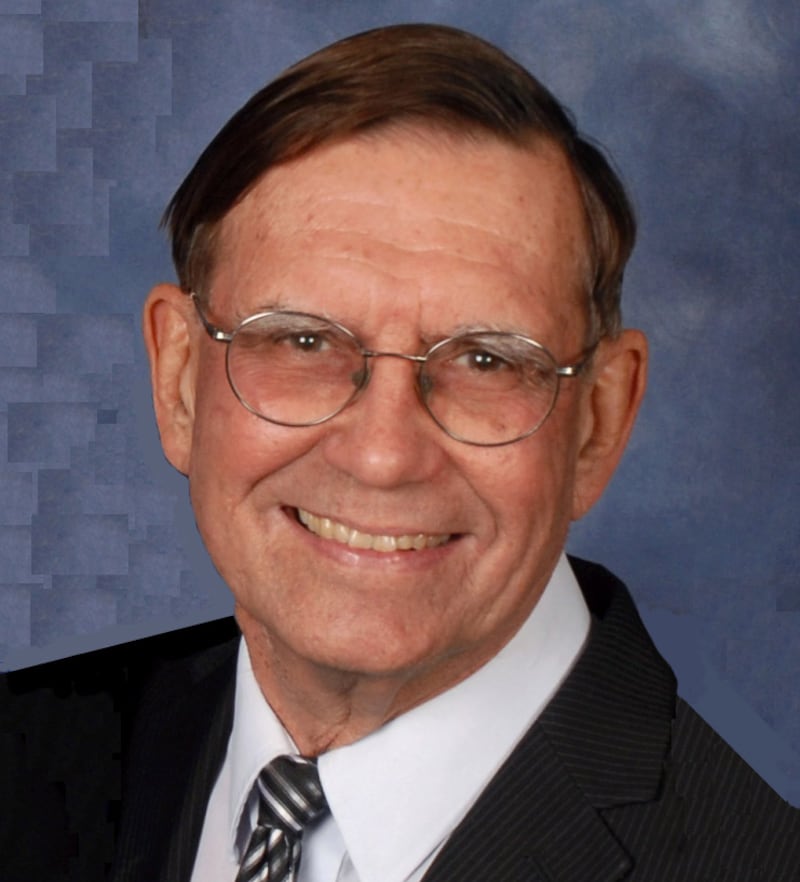
Chuck Roberts is a freelance writer in Rochelle.