There comes a point in every law enforcement career when you understand something the public rarely sees. No officer does this job alone. Not on the calmest shift and certainly not on the night everything goes wrong. The badge may be the most visible symbol of policing, but it is only one part of a much larger system that keeps communities safe.
In Illinois, especially in the Chicago metro area, we spend endless time debating policing. We argue about policy, legislation, training and accountability. Those conversations matter. But we often overlook the people who make it possible for a police department to function at all. They don’t appear in press conferences or crime briefings. They don’t trend on social media. Yet without them, the entire system collapses.
If we want an honest conversation about public safety, we need to start with the people who rarely get mentioned.
Walk into any police department, whether it’s a small suburban agency or a major metropolitan operation, and you’ll see a machine that looks effortless from the outside. Calls come in. Officers respond. Reports get filed. Cases move forward. But behind that smooth exterior is a network of professionals who hold the operation together with skill, discipline and quiet resilience.
The first among them are the 911 telecommunicators. They are the steady voice in the middle of someone else’s worst moment. A parent screaming for help. A victim whispering because danger is still in the room. A frantic caller reporting shots fired or a crash with injuries. Through all of it, dispatchers remain calm and precise. They gather information, give life‑saving instructions and send help in seconds. They rarely learn how the story ends. They simply move to the next crisis.
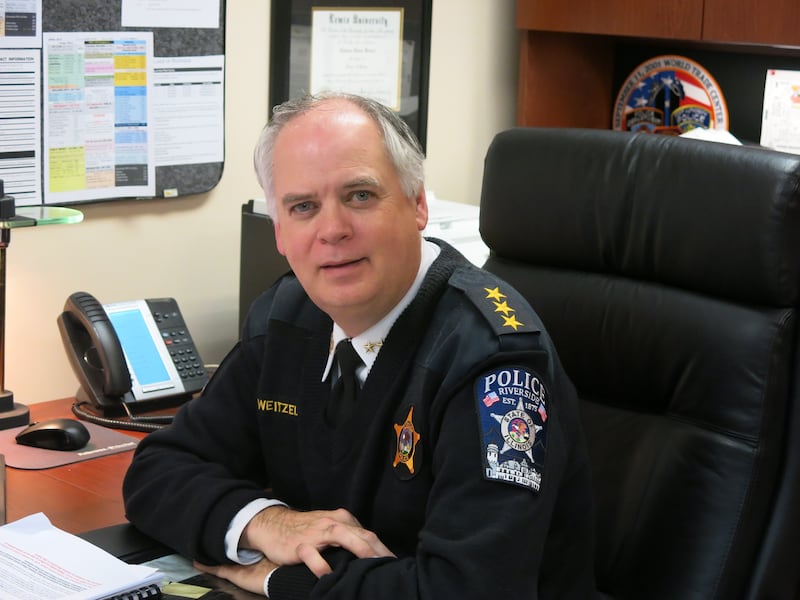
In Riverside, I had my own dispatch center inside the police department. I worked alongside exceptional telecommunicators, a civilian administrative assistant, a community service officer and a dedicated police explorer post. They strengthened every part of our operation. I reminded my officers often that the dispatcher would save their lives more times than the sidearm on their hip. After decades in this profession, I know that to be true.
A department can survive without its support staff, but it cannot function well without them. Civilian employees are not optional. They are essential.
Community service officers are another critical part of the system. In many Illinois departments, they handle the calls that keep the entire operation moving. They respond to crashes, take reports, manage ordinance issues and handle the steady stream of service requests that would otherwise pull sworn officers away from emergencies. They spend more time face-to-face with residents than most people realize, and they carry a responsibility that is every bit as real as the one carried by sworn personnel.
Behind the scenes, records clerks, evidence technicians and administrative staff form the backbone of every investigation. Evidence does not log itself. Reports do not process themselves. Court documents do not magically appear in the right hands at the right time. These professionals ensure that cases hold up, that victims receive justice, and that the system doesn’t crumble under its own weight. When they do their jobs perfectly, no one notices. When they are missing, everything stops.
And then there are the families. We do not talk about them nearly enough. Every officer who walks out the door leaves behind people who carry a different kind of burden. A spouse who waits for the sound of the garage door. Children who learn early that holidays, birthdays and school events are often interrupted by the job. Families absorb the stress, the long hours and the emotional toll. They are the quiet foundation that allows officers to serve at all.
In Illinois today, policing is under intense scrutiny. Some of that scrutiny is necessary. Accountability matters. Standards matter. But so does perspective. While the public debates the future of policing, these everyday heroes continue to show up. They do the work without cameras, without applause, and without political slogans. They are not asking for praise. They are asking to be seen.
If we truly care about public safety in Chicago, in the suburbs and across this state, we must value the entire system, not just the parts that make headlines. That means investing in these roles, supporting these people and recognizing that a police department is an ecosystem. Every part matters.
That is what this Thank You, Everyday Heroes, series is about. Not the spotlight. Not the politics. The people. The ones you don’t see until everything depends on them.
• Tom Weitzel is the former chief of the Riverside Police Department and spent 37 years in law enforcement. He can be reached at tqweitzel@outlook.com. Follow him on X at @chiefweitzel or TikTok at tiktok.com/@chiefweitzel.