<strong>Dear Jill:</strong> I saw something in my grocery circular recently and wondered what you would think of this. My grocery store is selling fresh boneless chicken breasts for $1.89 per pound in a “family pack” size of 3 pounds or more. But the fine print under that sale price says standard size packs of chicken breasts are $2.99 per pound.
I don’t think this is very fair. I only shop for my wife and myself, and we do not need 3 pounds of chicken breasts. We are on a fixed income, but if we want to buy these this week, we will pay more than a person shopping for a family. <strong>— Art G.</strong>
I do agree charging more for less is a frustrating concept that exists all over the grocery store — not just in the meat department. Why does the store charge more for a smaller-sized package? While it’s true packaging multiple, smaller groups of chicken breasts uses more Styrofoam trays and shrink wrap or bags than wrapping a larger number of chicken breasts in the same package, it’s doubtful the costs of the extra packaging and labor truly equal another $1.10 per pound.
However, meats are not the only items in the supermarket affected by the “smaller but more expensive” phenomenon. I’ve noticed some other products, particularly canned goods, cost more per ounce when purchased in smaller containers versus larger ones. Eight-ounce cans of vegetables, such as green beans or corn, sell for .79 at my local supermarket, and 14.5-ounce cans of the same items from the same brands sell for .99. I understand not everyone might want the larger can, but buying the smaller can works out to about .10 per ounce versus the larger can’s .07 per ounce. (Even stranger — coupons typically specify they are for the larger size cans.)
I also have noticed the 7.5-ounce mini cans of soda and sparkling water, often called “sleek” or “slim” cans, cost more than the larger cans. At my store, an eight-pack of mini soda cans regularly sells for $3.99, and the six-pack of 12-ounce cans typically sells for $2.49. It does seem counterproductive to me to charge customers more for the “privilege” of drinking fewer ounces of soda — especially when people might be doing so in order to make a healthier or lower-calorie beverage choice. (For those who like to do the math, as I do: The eight pack of 7.5-ounce cans contains 60 ounces, working out to about .07 per ounce, and the 6-pack of 12-ounce cans contains 72 ounces and works out to about .03 per ounce.)
In situations such as these, I do opt to purchase the larger item, as I can’t in good conscience pay more for less. With the size of our family, we’ll consume the larger item at some point. In the case of the meats costing less in a “family pack” size, my reader might not need 3 pounds of chicken right now, but it’s likely his household will consume the chicken at some point in the future. I would recommend buying the 3-pound package, then separating it into multiple portions at home. Freeze the unwanted portions now for a future meal in a resealable bag, and you’ll be saving a significant amount over buying the smaller packages.
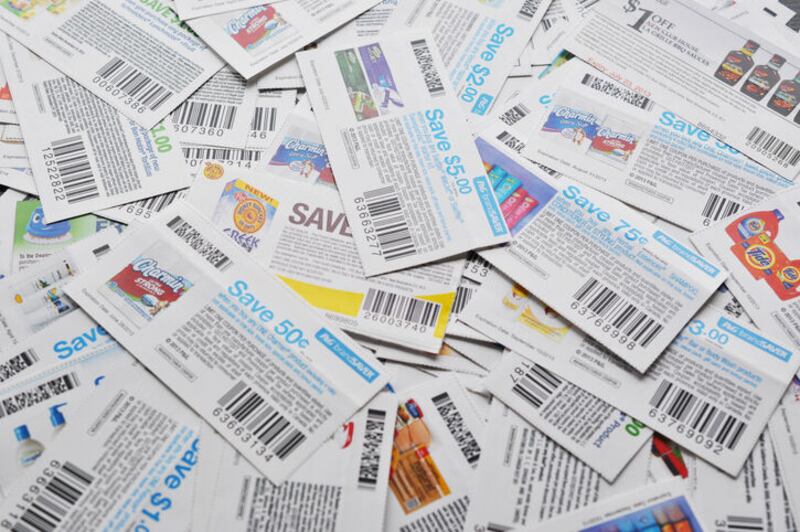
One final note on smaller versus larger sizes: From a couponing perspective, buying the smaller item often can be a better deal from a financial standpoint than a larger one if a coupon is involved. It is often less expensive, per ounce, to buy multiple 10- to 12-ounce boxes of cereal versus using the same coupon on the larger box. I recently saw an 18-ounce “family-size” box of a popular oat cereal selling for $3.99, and the 10.8-ounce size was on sale for $1.49. With a .50 coupon, I dropped the price of the smaller box to .99 – just .09 per ounce. Had I used the same coupon on the 18-ounce box, I’d have paid $3.49 — that’s .19 per ounce.