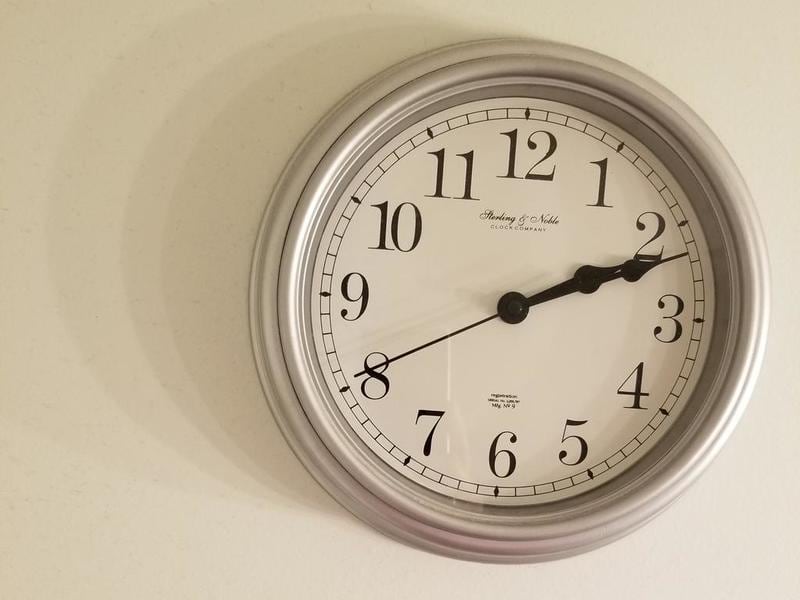
Losing an extra hour of sleep may not be the worst thing that could happen when you “spring forward” at the start of daylight saving time, according to the American Heart Association.
Scientific research has revealed a marked increase in heart attacks and strokes in the days following this time change each year, the association said.
Daylight saving time, the practice of setting the clocks an hour ahead of standard time to achieve longer evening daylight in the summer months, begins on Sunday, March 8.
While gaining extra daylight may be a nice change, the transition could come with some health challenges.
A study of hospital admissions across the state of Michigan showed a 24% increase in heart attacks on the Monday following the switch to daylight saving time, the AHA said.
:quality(70)/cloudfront-us-east-1.images.arcpublishing.com/shawmedia/MPYJD5BVUNPR5DB3IMMSRFTWBI.jpg)
Likewise, a study in Finland found that the overall rate of ischemic stroke was 8% higher during the first two days after a daylight saving time transition.
Other research has found that, in general, more serious heart attacks occur on Mondays than on any other day of the week, making the day after the time change even more worrisome, the AHA said.
“We don’t really know exactly why there is an increase in heart attacks and strokes during the change to daylight saving time. It’s likely connected with the disruption to the body’s internal clock, or its circadian rhythm,” said Dr. Jairo Meji, who is the American Heart Association Chicago Board President, in a news release.
“It’s important to be aware of this increased risk, especially if you already have heart disease or other risk factors,” he said.
Getting ahead of the time change
• Start now to get outside and get as much natural light as possible each day. This can help adjust your body rhythm for the change to come.
• Begin winding down a little earlier in the evenings ahead. While you can never make up lost sleep, going into the time change well-rested can help.
• Don’t compensate with extra caffeine. It may feel like an extra coffee or two can help you through the mid-day slump, but too much caffeine is not heart-healthy.
“We know that the amount and the quality of sleep a person gets at any time of the year is essential to good health,” Mejia said. “In addition to increasing the risk for cardiovascular conditions like heart attack and stroke, lack of sleep may also put people at risk of things like depression, cognitive decline and obesity.”
:quality(70)/cloudfront-us-east-1.images.arcpublishing.com/shawmedia/X2N3DN2HHHHV7TDNMO7J3I54D4.jpg)
AHA’s recommended level of sleep
• Seven to nine hours daily for adults;
• Eight to 10 hours daily for ages 13-18 years;
• Nine to 12 hours daily for ages 6-12 years;
• 10 to 16 hours daily for ages 5 and younger.
More than one in three adults do not get the recommended amount of sleep for heart health, Mejia said.
• Don’t hit snooze: Sleeping past your alarm can make you groggier in the morning. Try putting your alarm clock across the room so you must physically get out of bed to turn it off.
• Prioritize exposure to natural light: Maximize exposure to natural light during the day to regulate your body’s internal clock and prepare for a restful night.
• Enjoy a heart-healthy diet: Eat plenty of fiber-rich vegetables, fruits, legumes and whole grains and balance your calories throughout the day. When you get more calories late at night, sleep may be less peaceful.
• Watch what you drink: Drinking sugary, caffeinated or alcoholic beverages may lead to more disruptions during the night.
• Limit afternoon naps: Avoid taking long naps during the day because they can disrupt your sleep patterns and make it harder to achieve restful sleep at night.
• Limit technology use in the evening: The blue light of most electronic devices can interfere with your circadian rhythm and melatonin production.
• Create a relaxing bedtime routine. Engage in calming activities before bed, such as reading a book, journaling, taking a warm bath or practicing relaxation exercises like deep breathing or meditation.
“Implementing these small habits now can help you prepare for the upcoming daylight saving time change and ensure your sleep patterns are strong and more likely to remain consistent all year long,” Mejia said.
Learn more about the importance of sleep for heart health at heart.org.
:quality(70)/author-service-images-prod-us-east-1.publishing.aws.arc.pub/shawmedia/8832388b-fc0a-47f3-aa56-fba06c9d2015.jpg)