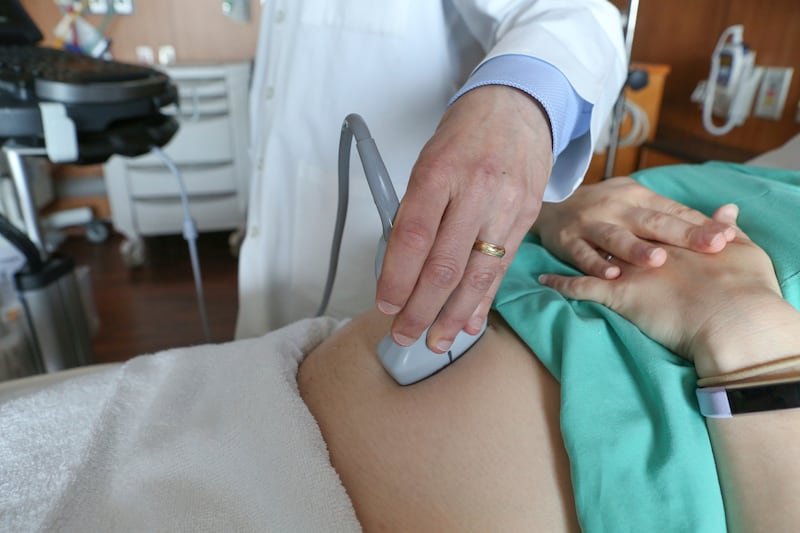
Preventable pregnancy-related deaths rose and stark racial disparities remained in the Illinois Department of Public Health’s most recent maternal mortality report.
The report studied 219 deaths that occurred in Illinois in 2021 and 2022 during or within one year of pregnancy. The two committees that reviewed the deaths determined 94 to be related to pregnancy. This is an increase from past data, which have been published in two-to-three-year increments since 2015.
:quality(70)/cloudfront-us-east-1.images.arcpublishing.com/shawmedia/UQP2ZXIP5BB57KJ5QTCA5M2PBU.jpg)
“Each maternal death represents far more than a statistic: it is a profound and often preventable loss that leaves lasting emotional, social, and economic scars on families, communities, and society,” according to the report. “Beyond the immediate tragedy, each loss signals a broader failure to provide equitable, comprehensive, and culturally competent maternal care.”
Of the pregnancy-related deaths that occurred in 2021 and 2022, the committees found 91% could have been prevented.
Common causes
As in past years, substance use disorder remained the most common cause of pregnancy-related death, accounting for nearly a third of the deaths in the recent data. Other leading causes included blood clots and COVID-19, which rose in prevalence as the cause of death in 12% and 11% of deaths, respectively. Deaths due to hemorrhage, or postpartum bleeding, doubled to 10% from 5% in the previous period.
Black Illinoisians had the highest rate of maternal mortality at 78 deaths per 100,000 live births. The report found discrimination was present in 74% of the deaths related to Black pregnancies, making it the most common contributing factor in Black pregnancy-related deaths.
In August, Gov. JB Pritzker signed House Bill 2517, requiring obstetric care providers to take anti-bias training. The course was designed to educate maternal health care providers on historic racial discrepancies to reduce implicit biases and improve health outcomes.
:quality(70)/cloudfront-us-east-1.images.arcpublishing.com/shawmedia/GNGA4S7BFBEF5M7A5C5LN7V4AQ.jpg)
Black mothers were more than twice as likely as white mothers to die from any pregnancy-related cause, including substance use disorder or mental health conditions, but more than three times as likely to die from purely medical pregnancy-related conditions.
Obesity was the second most common contributing factor for Black maternal deaths, followed by mental health conditions and substance use disorder.
Mental health conditions can include postpartum depression, in which individuals may develop feelings of suicidal ideation or wanting to self-harm after pregnancy. Substance use disorder results in a pattern of uncontrolled use of drugs, medication or inhalants that poorly affects an individual’s ability to function, including failure to meet obligations at school, work or home.
Mental health conditions were the most common contributing factor for white and Hispanic pregnancy-related deaths. Discrimination was also a factor in nearly a third of deaths for Hispanic maternal deaths, while substance use disorder was only present in 9% of deaths for that population.
Substance use disorder was more prevalent in white pregnancy-related deaths than those of other racial groups, present in one-in-three deaths.
The committees found that all deaths due to mental health conditions and substance use disorder were potentially preventable, with approximately 20% of those classified as having a “good chance” of prevention had there been “reasonable changes to any provider, facility, patient, community, or system.”
:quality(70)/cloudfront-us-east-1.images.arcpublishing.com/shawmedia/MRCAOEMHSBCFDODIRV4SYSY4SY.jpg)
Those with a high school education or less were more than twice as likely to die from a pregnancy-related cause than those with a post-secondary education. Medicaid recipients died from pregnancy-related conditions almost four times as frequently as those with private insurance.
Geography, timing
Rates of pregnancy-related mortality were highest in urban counties outside of the Chicago area and in the city of Chicago, with maternal mortality rates in Chicago increasing over the last three report periods.
Counties surrounding Cook County, namely DuPage, Kane, Lake, McHenry and Will, had the lowest levels of pregnancy-related mortality.
The maternal mortality rate in rural counties decreased marginally since the past data period. But the report noted that pregnant people in rural locations still face barriers — including lack of providers and long travel distances — to accessing specialized care for mental health services, substance use disorder and other chronic conditions.
Fewer than a third of pregnancy-related deaths reviewed in the report happened during pregnancy, with 43% occurring within the first month after pregnancy and another third of deaths occurring two or more months after pregnancy. Deaths due to substance use disorder and mental health conditions were more likely to occur after birth.
Recommendations
The report presents four key recommendations outlined in the Illinois Blueprint for Birth Equity, a multi-agency and stakeholder project aimed at improving maternal health care and birth outcomes in the state.
The blueprint, released in September 2025 with the input of advocates, experts and health care providers, is part of a larger birth equity initiative spearheaded by Black midwives and doulas in collaboration with Lt. Gov. Juliana Stratton.
Those recommendations centered around expanding access to quality and specialized care. It called on health insurance plans, including Medicaid, to incentivize maternal health providers to practice in rural areas and small hospitals.
It also recommended that hospitals employ a social worker or case manager to help with resource coordination and postpartum case management, as well as engaging in more coordination with community-based midwives and doulas.
Building on the blueprint’s recommendations, the Illinois Department of Healthcare and Family Services announced new coverage for pregnant and parenting Medicaid customers. That change means that Medicaid now covers home visiting services, including health education, blood pressure monitoring, behavioral health screenings, domestic violence education and screenings, stress management and service referrals.
The program, which took effect on Nov. 21, 2025, was intended to bridge gaps in access to timely, quality care, according to DHFS. Home visits can replace or supplement in-clinic care for families with limited access to transportation, busy work schedules or other barriers to attending appointments.
In a letter introducing the blueprint, Stratton outlined the Pritzker administration’s commitment to improving maternal health and birth equity.
“Every woman deserves to bring life into this world safely and with dignity, and every family deserves to bring their child home with the resources they need to grow,” Stratton wrote.
“Whether you’re in the heart of Chicago’s loop or on a farm in Tuscola, Ill., no family should welcome a new soul with grief for the one who carried it.”
Capitol News Illinois is a nonprofit, nonpartisan news service that distributes state government coverage to hundreds of news outlets statewide. It is funded primarily by the Illinois Press Foundation and the Robert R. McCormick Foundation.