Gov. JB Pritzker signed an energy reform package Jan. 8 aimed at bolstering the state’s power grids amid projected energy shortages.
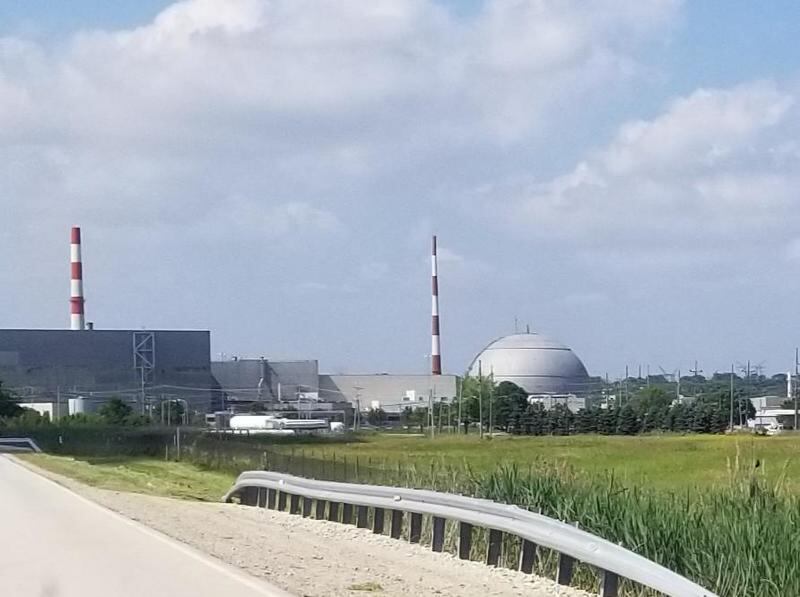
The bill, Senate Bill 25, is the Clean and Reliable Grid Affordability Act, or CRGA. It will fund battery storage, grant greater authority to state utility regulators, create new options for virtual power plants, and lift a longtime ban on new, large-scale nuclear power plants.
The ban on large-scale nuclear has been something state Sen. Sue Rezin, R-Morris, has been fighting for years, but the bill has other provisions she’s against.
“The governor has signed a bill that weakens consumer protections, expands regulatory authority, and locks Illinois into costly policies. This law will fundamentally reshape how energy decisions are made in Illinois, and the consequences will be felt for years,” Rezin said.
“At a time when grid operators are warning about capacity shortages and reliability risks, this law doubles down on short-duration and unproven technologies that cannot meet peak demand. Instead of prioritizing dependable, around-the-clock power, Illinois is committing ratepayers to billions of dollars in new spending without clear safeguards or accountability,” Rezin said.
:quality(70)/cloudfront-us-east-1.images.arcpublishing.com/shawmedia/443YGTY44FAC5CVDSEGCOQQMJE.jpg)
The bill was sponsored by state Sen. Bill Cunningham, D-Chicago. He said the state is making it easier to develop renewable energy. Deploying battery storage and lifting the nuclear moratorium, Cunningham said, will bring more supply into the grid, and will help hold the line on the electrical bill.
The Illinois Power Agency, an independent body responsible for planning and procuring cost-effective energy for Illinoisans, said the law will save utility customers in the state $13.4 billion over the next two decades.
Opponents to the bill, like Rezin, question these projections.
“This law shifts enormous financial risk onto ratepayers by removing meaningful limits on rate increases and placing more decision-making power in the hands of unelected regulators,” Rezin said. “Families and businesses will be asked to pay more, while having less transparency into how these costs are approved.”
The bill also increases subsidies for battery storage, which will be reflected on a new charge on consumers’ bills beginning in 2030.
Senate Bill 25 comes a month after state regulators projected energy shortfalls that would likely drive up costs in the next three to five years, and force Illinois to import more power from out of state without action from lawmakers and grid operators.
Pritzker said these shortfalls would be exacerbated by actions at the national level, including President Donald Trump’s One Big Beautiful Bill Act, which phased out renewable energy tax credits and froze federal funding for energy projects.
The law grants new authority to the Illinois Commerce Commission, the state body responsible for regulating utilities. The ICC now can set long-term plans for managing energy supply and demand in the state through approval of an integrated resource plan.
It also adds new requirements for energy efficiency at electric and natural gas utilities, and places new air regulations on backup generators used by data centers. It also closes a loophole for community solar projects that allowed developers to avoid hiring union labor.
:quality(70)/s3.amazonaws.com/arc-authors/shawmedia/744709d3-0d08-4f13-a8f2-47f3f8ea9de6.png)