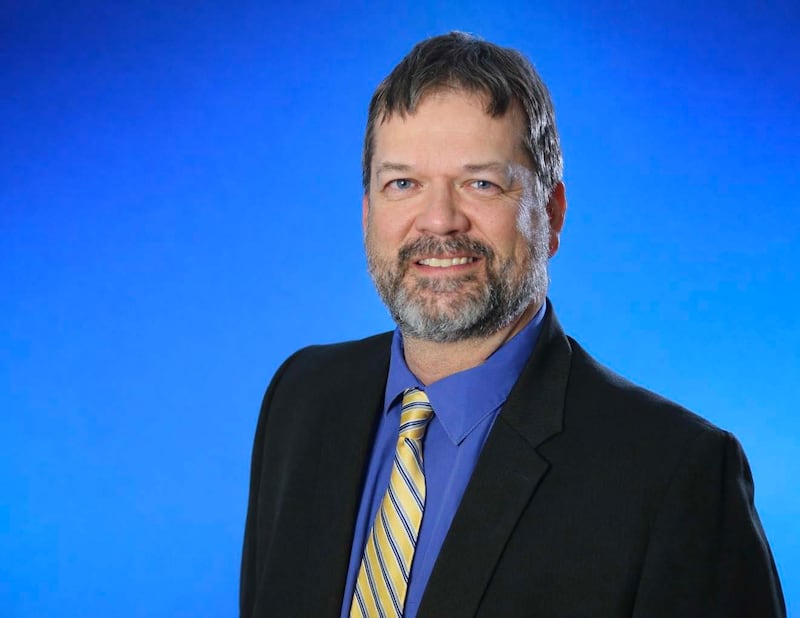
Name: Jared Ploger
What office are you seeking: IL House 84th
What is your political party? Democrat
What is your current age? 50
Occupation and employer: Teacher Valley View 365U
What offices, if any, have you previously held? Oswego CUSD 308 (2015-2019) & (2022-2025)
City: Aurora
Campaign website: jaredforillinois.com
Education: A.A.-Kishwaukee College, B.A.-(HIstory)Northern Illinois University, M.A.-(Reading Specialist) Olivet Nazarene
Community involvement: GAR Museum Commisioner, Kiwanis Oswego Charter Member, Great Cycle Challenge-Fight Kids Cancer, Oswego Wolfpack Basketball Coach
Marital status/Immediate family: Yes! Wife, two kids and a grandson
What are your top three priorities for this district in Springfield?
My three priorities are rooted in affordability:
1) Living Wages
2) Affordable housing
3) Fully Funding our education system, including our higher educational system.
How will you support economic growth and development in your district?
I’ll support economic growth by making sure Springfield works for our communities, not against them. That means partnering with local mayors, school boards, chambers of commerce, and labor to pass legislation that attracts responsible development, protects workers, and grows good-paying jobs. Growth shouldn’t just boost profits. It should strengthen our communities, fund our schools, and help families actually get ahead in the 84th District.
Do you support term limits for state representatives, and if so, what limits?
I believe accountability matters more than arbitrary limits. Communities should decide when it’s time for new leadership. I’ve always believed leaders need to know their shelf life, and I lived that on my own school board, when it was time to make room for new voices, I did. In a district as diverse as the 84th, different communities need different kinds of experience at different times. Term limits sound simple, but elections are the real term limits, and voters should always have the final say.
How will you address the state’s long-term pension obligations?
Illinois has a responsibility to keep its promises to workers while also building a system that attracts the next generation of public servants. Our long-term pension challenge is real, but the solution isn’t cutting benefits, it’s stabilizing funding and modernizing revenue.
We need to fix Tier 2 so we can recruit and retain a quality workforce, while responsibly meeting our existing obligations. At the same time, we have to look at our tax structure to make sure the burden isn’t falling on middle- and working-class families. Long-term pension stability requires sustainable revenue, disciplined funding, and a system that guarantees retirement security for today’s workers and tomorrow’s.
How will you address property taxes and school funding reform?
Property taxes are crushing families because Illinois relies too heavily on them to fund schools. We need real school funding reform so a child’s education isn’t determined by their ZIP code. That means increasing the state’s role in funding K-12, fully supporting the Evidence-Based Funding model, and reducing the pressure on local property taxpayers. At the same time, we need a fairer tax system so middle- and working-class families aren’t carrying the entire burden while still investing in quality schools that strengthen our communities.
What is your stance on the SAFE-T Act? What changes, if any, would you support?
I support the goals of the SAFE-T Act — increasing fairness, transparency, and accountability in our justice system while keeping communities safe. No major reform is perfect on day one, so it’s important that we continue to review how it’s working on the ground. I support making practical, data-driven adjustments that help law enforcement, protect victims, and ensure the law is applied consistently, without rolling back the civil rights and due process protections that the Act was designed to provide.
What legislation would you propose to address crime and public safety in your district?
Public safety starts long before a crime happens. I would support legislation that invests in schools, mental health services, job training, and community infrastructure, because stable communities prevent crime. At the same time, we need laws that strengthen victim services, improve coordination between local police and social services, and expand evidence-based violence prevention programs. Smart public safety means prevention, accountability, and opportunity working together.
What is your stance on reproductive rights in Illinois?
Reproductive health care is health care. I firmly support a woman’s right to make her own medical decisions without interference from politicians. As a man, my role is not to control women’s bodies, it’s to protect their autonomy, privacy, and access to care. Illinois must remain a place where people can safely access reproductive health services, including abortion, contraception, and maternal care, free from political intimidation or restriction.
What is your opinion of the TRUST Act (sanctuary state protections)?
I support the Illinois TRUST Act because it protects immigrant families while keeping our communities safe. The Act makes sure local police focus on local public safety, not federal immigration enforcement, so victims and witnesses aren’t afraid to come forward. At the same time, serious criminal activity should always be addressed through the justice system. Illinois needs real, humane immigration reform that recognizes immigrants as essential to our economy, our schools, and our communities.
Should the state expand Medicaid funding?
Yes. Medicaid funding should reflect the real health care needs of Illinois residents. Expanding access to affordable care keeps people healthier, reduces emergency room costs, and supports working families, seniors, and people with disabilities. We should base funding on data and community needs, while making sure the program is efficient, accountable, and sustainable.
Should local governments have more authority over solar farm development in their communities?
Yes, local voices should matter in solar development. Communities deserve a real seat at the table when projects are proposed. At the same time, Illinois needs to expand clean, renewable energy to meet growing demand and fight climate change. The right approach is balance: clear statewide standards with meaningful local input, so solar farms are built responsibly, fairly, and in ways that benefit the communities hosting them.
Should Illinois expand use of nuclear energy, including facilities like the Byron plant? What’s your vision for the state’s energy mix?
Illinois should pursue a balanced, clean energy future. That means exhausting every opportunity to expand wind, solar, and other renewable sources, reducing reliance on fossil fuels, and using nuclear energy responsibly to fill gaps and ensure a stable power supply. Modern nuclear technology is safer and more efficient than ever, and facilities like Byron can play a key role in keeping our lights on while we transition to a cleaner, sustainable energy mix.
What role should the state play in housing affordability?
The state should protect homebuyers and make housing more affordable for working families. That means cracking down on predatory lending, reducing unnecessary fees, and limiting the influence of private equity firms that drive up housing costs. Illinois should also support programs that help first-time buyers, preserve affordable housing, and ensure communities remain vibrant and accessible for everyone.
How should the state address rising energy costs from data centers? How do you balance water rights between communities and industry regarding data center development?
Data centers can bring high-paying, union jobs to our communities, but they also consume significant energy and water. The state should require strong regulations to limit water use, improve energy efficiency, and ensure these facilities give back to the communities that host them this includes environmental commitments, local hiring, and support for infrastructure. By balancing economic growth with environmental stewardship, Illinois can attract data centers responsibly without overburdening families, municipalities, or natural resources.
To what level should the state fund a new stadium for the Chicago Bears?
Any public funding for a private stadium should benefit Illinois families and communities first. I support investments only when there is a clear return for taxpayers: jobs, infrastructure improvements, or economic growth that directly helps local communities. Taxpayer dollars should never subsidize private profits without real, measurable benefits for the people of the state.
Should the state regulate the use of AI in the classroom? To what extent?
Yes. As an educator, I believe teachers should guide how AI is used in classrooms. AI can be a powerful tool, but it must support learning, protect student privacy, and ensure academic integrity. The state should set clear standards, provide training and resources, and involve educators in every step so that AI enhances education without replacing critical human guidance.
Who are your top donors? How often do you speak with them?
The majority of our donors are one-time or grassroots contributors, and we’re grateful for every gift. Many of these supporters are deeply involved in the campaign, volunteering their time and energy. I’m also fortunate to have strong support from educators and labor organizations across Illinois, reflecting my years of service as a teacher and union leader. I stay in regular communication with all supporters to ensure transparency and keep them informed about our priorities and progress.